

Hire UX Researcher Who Turns Evidence Into Product Decisions
Bring on a vetted UX researcher who turns fuzzy product questions into durable research structure: study plans, participant criteria, moderated or unmoderated sessions, synthesis that names decisions, and readout rituals so design and engineering can act without re-litigating opinions. Embedded in your rituals, accountable to your roadmap gates, so you hire research capacity without pretending this is UI pixel craft, conversion lander comps, or design-system library ownership.
 Vetted UX research shortlist
- Trial sprint on a real study brief
- 100% project ownership transfer
- NDA-backed from day one
Trusted by product teams and rated on independent review platforms






What does a dedicated UX researcher actually do?
A dedicated UX researcher plans and runs studies that reduce product risk: interview protocols, usability tests, synthesis and decision-ready insights so founders and PMs decide with evidence rather than loud opinions. At Devoq Design that researcher embeds with your product or design lead (planning, fieldwork and readout rhythm) so research craft ships into your backlog, not as a slide deck nobody acts on.
The craft spans framing research questions tied to roadmap decisions, recruiting or screening participants ethically, moderating sessions without leading answers, synthesising themes with evidence quotes, mapping insights to backlog tickets, and documenting methods so the next study does not restart from scratch. They join standups, work in your research tools under access you control, and hand back insights product can operate, so you get decision evidence rather than vanity surveys.
Key takeaways
UX researcher at Devoq Design means evidence-led study craft and decision-ready insights, not UI pixel execution, not conversion lander comps, not design-system libraries, and not Unbounce PPC ops.
A dedicated researcher embeds in your roadmap gates; a marketplace “survey dump” typically leaves unread decks.
UI/UX design, landing page design, design systems and website design each have their own hire lane when that is truly the center.
The three practical hiring routes are a dedicated UX researcher, a small research pod (researcher plus designer), or a defined-scope study sprint against a written brief.
Clarity on NDA, IP assignment and who owns research recordings, notes and participant consents should be settled in writing before launch.

 Business Challenges
The ux researcher bottlenecks teams bring us
Most product leads do not search to hire a UX researcher for sport. They start with roadmap fights settled by the loudest voice, usability issues discovered after launch, or design work that never validates assumptions with users. Looking usually begins after a failed release, after support tickets pile up on a confusing flow, or after leadership asks why competitors ship with more confidence. These are the six we hear most often.

Opinions dressed up as requirements
Feature priorities come from the loudest stakeholder, not from observed user behavior.
How we resolve it
Frame research questions against a decision gate, then bring evidence quotes into the roadmap review.
Usability problems found after ship
Flows look fine in Figma and collapse with real tasks, assistive tech or first-time users.
How we resolve it
Run moderated or unmoderated task tests before release freezes, with severity mapped to backlog tickets.
Surveys that do not answer anything
Long questionnaires produce charts nobody trusts for a product decision.
How we resolve it
Replace vanity metrics with a study plan tied to one decision, sample criteria and a readout ritual.
Research decks that never change the backlog
Insights sit in Notion while design continues as if nothing was learned.
How we resolve it
End every study with named decisions, owners and tickets. No readout without a change path.
Hiring research when UI execution is the real need
Teams buy a researcher when they actually need screens shipped this sprint.
How we resolve it
Route UI/UX or design-system work to those lanes. Research owns evidence, not pixels.
Wrong specialist for the bottleneck
Teams buy research when they need landing conversion craft, website IA or a component library.
How we resolve it
Route honestly across specialist hire lanes before paying for the wrong study calendar.
Why a UX Research HireWhy teams hire a UX researcher before another generic design seat
Generalist design help matters when screens must ship. When the brief needs evidence before the next roadmap bet, a dedicated UX researcher is usually the calmer path. This section is about that hiring shape; it is not a claim that research replaces design execution.
Decisions with receipts
Roadmaps move faster when assumptions are tested before expensive builds.
Right-sized for product risk
Most needs are study design and synthesis, not more pixel comps.
Readouts that change tickets
Insights should name backlog changes, not decorate a research archive.
Hand-offs into UI, systems or landing craft
When the center becomes UI execution, design systems or landing craft, we point you there.
Pairs with research programs without replacing them
If you need a Devoq-delivered research program, service pages cover that shape. Hire is the embedded research seat.
Method logs that survive the next quarter
Embedded researchers carry method and decision logs into the next quarter.
 Why Devoq Design
Why businesses hire UX researchers from us
When you hire UX researchers from Devoq Design, you get study owners who protect decision gates: framed questions, credible samples, readouts that change tickets - not survey dumps that die in Notion. Researchers sit beside product and design leads across Ahmedabad, Ajax and Sacramento so evidence arrives before the next expensive build bet.
Shortlists biased to decision-grade research
Shortlists favor people who have lived with semantic structure, synthesis methods and accessibility checks, not only pixel demos.
ux researcher trial sprints measured in days
Discovery call, matched profiles, your interviews, then a trial sprint on a real UX research ticket.
Same studio when adjacent craft must move
When UI systems must move with research implementation, the same studio can extend into UI/UX under coherent delivery.
Seat capacity that follows real scope
Start with one UX researcher; add platform or React specialists when scope genuinely requires it.
Working-day overlap for product and design leads
Meaningful timezone overlap and written updates stakeholders can see.
Contracts that keep recordings and consents clear
Mutual NDA, IP assignment and clear ownership of the repo and hosting under your organization.
Have UX research work that needs an embedded owner?
Send a short brief: surfaces in scope, repo or host, accessibility bar and who owns design decisions. We will come back with matched UX researcher profiles.
 Services Included
What hiring a UX researcher covers
Whether you engage a single UX researcher or a small research pod, the breadth below is available from day one. A discovery interview plan and a usability remediation study are still different calendars.

Research question framing
Workshops that turn fuzzy product anxiety into decisions a study can inform.

Study design and protocols
Interview guides, task scripts and success criteria written before fieldwork.

Participant screening
Criteria and recruiting notes that match the users your product actually serves.

Moderated usability sessions
Task-based tests that surface friction without leading participants.

Unmoderated and remote tests
Async studies when calendars or geography block live sessions.

Synthesis and theme maps
Evidence-backed themes with quotes, not vague persona slides.

Decision readouts
Readouts that name what should change in the backlog next.

Research ops hygiene
Consent, storage and reuse rules so recordings do not become a liability.

Method documentation
How the next study should inherit tools, templates and decision logs.
Need Webflow marketing sites, WordPress CMS, Framer experiences or Unbounce PPC landers instead? Use those hire lanes. Prefer a Devoq-delivered website program? Start from our website development service. Website development (service), Front-end service, Webflow sites (hire) and UI/UX design (hire) developers.
Where Research Craft LandsSurfaces a UX researcher typically owns
This lane maps to evidence work that changes product decisions. It is not a UI production lane and not a conversion lander lane.
Discovery interviews
Problem framing with customers before features harden.
Usability evaluations
Task-based tests on prototypes or live flows.
Concept and preference tests
Early signal before committing engineering weeks.
Journey and friction mapping
Evidence themes that explain where users stall.
Decision readouts
Stakeholder sessions that convert findings into tickets.
Research ops foundations
Consent, storage and reusable templates for the next study.
UX Research StackThe tools our UX researchers work with
We pick tools that fit your product rituals and keep ownership under your organization.
Typical engagements use interview and usability tooling your team already pays for, synthesis boards, recording platforms with consent controls, and collaboration tools your PMs already run. Exact add-ons follow your constraints, not a fixed marketing slide.
When research repositories and participant panels already live under your organization, we adopt yours. We do not invent unverifiable research awards in sales copy.
How We WorkOur UX research delivery process
We work in short shippable cycles: structure first, then visual system, then hardening, with accessibility and breakpoint QA before launch.
- 01
Discovery and surface framing
Pages in scope, repo constraints, accessibility bar and design sources documented.
- 02
Structural research
Semantic HTML skeleton with landmarks and content hierarchy.
- 03
Responsive CSS system
Layout, typography and component patterns across breakpoints.
- 04
Harden and document
A11y checks, performance hygiene and extension notes for the next engineer.
- 05
Iterate from release feedback
Real device and content feedback feed the next template improvements.
Hiring ProcessHow to hire an UX researcher, step by step
Most teams go from first conversation to someone shipping research after a short discovery and trial cycle.
- 01
01
Discovery call
Share the product surface, surfaces in scope, repo or host and accessibility expectations and who owns go-live decisions. We listen for whether Webflow, WordPress, Framer or Unbounce lanes fit better.
- 02
02
Matched shortlist
Profiles of UX researchers whose past shipping matches your complexity, with notes on strengths so interviews stay concrete.
- 03
03
Your interviews
You run technical conversations. We recommend a real problem from your backlog rather than a puzzle that never touches your stack.
- 04
04
Trial sprint
Paid work in your repo on an agreed ticket with your review standards. You evaluate communication and craft before a longer commitment.
- 05
05
Embed and expand
On success, the engineer continues under the engagement model you chose, with clear IP, repo access and collaboration rules already written.
Project TimelineHow UX research programs usually sequence
Research calendars follow recruiting access, consent readiness and how fast product will act on findings. Shapes below are planning patterns, not promised study counts.

Discovery framing + sample plan
Clarify the decision at risk, recruit criteria and consent path before the first session so the study answers a real product question.
Sessions and synthesis
Run interviews or usability tests, tag evidence and produce a decision-ready readout with named owners for follow-up tickets.
Backlog mapping
Translate insights into prioritized product work and design hypotheses, not a slide deck that sits unread.
Standing research capacity
Keep a researcher embedded across releases so evidence stays continuous instead of restarting vendor onboarding each quarter.
We scope after discovery and revise at review boundaries rather than promising fixed study weeks from a sales call.
Engagement ModelsWays to hire UX researchers from Devoq Design
Pick the commercial shape that matches how decisions get made. All models share NDA, IP assignment and clear ownership of the repo.
Dedicated UX researcher
One embedded designer on your front-end roadmap, owning research and CSS tickets end to end.
- Full-time capacity on your backlog
- Works in your repos and tools
- Trial sprint before commitment
- Replacement cover if fit fails early
Best for
Teams with a continuous evidence-led front-end backlog
Discuss this modelFront-end craft pod
UX researcher plus UI when design systems and implementation must move together.
- Shared delivery cadence
- Complementary roles in one rhythm
- Escalation into adjacent seats when blocked
- Single commercial relationship
Best for
Release seasons where visual system and research velocity must ship together
Discuss this modelDefined-scope UX research sprint
A written brief, milestone reviews and a clear done definition when you are not ready for an open-ended seat.
- Fixed outcomes agreed up front
- Handoff docs included
- Option to convert to dedicated
- Good for first cleanup milestones
Best for
First research cleanup or a board-deadline template set
Discuss this model
Compare OptionsDedicated UX researcher vs other ways to get research built
Each path can be valid. Differences show up in maintainability, accessibility discipline and ownership of the repo.
Still weighing evidence-led research versus Webflow or WordPress?
Bring the awkward version: static HTML templates, Webflow CMS, WordPress themes, Framer experience, Unbounce landers, or React app UI. You will talk to a technical lead who will say which lane fits.
Quality, Security & TransparencyHow we keep UX research work safe enough to ship
Front-end failures show up as broken layouts, accessibility debt and unmaintainable CSS. Baseline practices on dedicated engagements follow.

Review before launch
Checks on structure, breakpoints and a11y before campaigns go live.
Repo access under your org
Branches and hosting live in client-controlled accounts with revoke on rotation.

NDA and IP assignment up front
Mutual NDA before deep discovery. Markup and documentation assign to you.
Transparent status
Written updates covering what shipped, what is blocked on design, and what CSS debt remains.
Privacy-aware defaults
Scripts and embeds follow your consent and analytics governance.
Honest lane routing
If the work is really Webflow, WordPress, Framer or Unbounce, we say so before you pay for the wrong UX research seat.
Industries We ServeWhere UX researcher hires usually land
Devoq Design works across industries already on our site. UX research craft inherits the same shipping discipline; sector rules change claim copy, not the need for maintainable research.
SaaS marketing templates
Static or lightly built pages where every kilobyte and accessibility check matters.
Agency and brand sites
Design-led surfaces that must stay editable in code.
Campaign and event microsites
Time-boxed HTML that should not inherit a full CMS estate.

Documentation and resource hubs
Readable structure with predictable CSS systems.

Performance-sensitive landers
Hand-tuned pages when builders are too heavy for the channel.

Healthcare-adjacent surfaces
Strict claim review. We follow your constraints; we invent no clinical outcomes.
Global DeliveryCollaborate across time zones with clear overlap
Dedicated UX researchers work with your stakeholders in overlapping hours and leave written breadcrumbs for async follow-through. Studio presence spans Ahmedabad, Ajax (Ontario) and Sacramento (California).
North America overlap
Meaningful hours with US and Canadian teams for reviews, standups and launch windows that cannot wait until tomorrow.
Europe-friendly scheduling
Planning that respects EU working days when your product and compliance stakeholders sit there.
India delivery depth
Engineering capacity from Ahmedabad that keeps moving while your day starts, with handoff notes that make progress inspectable.
Async discipline
PR descriptions, recorded walkthroughs and decision logs so a timezone gap never means a black box.
Every engagement operates under clear commercial terms, so adding UX researchers capacity later does not mean restarting trust, NDA or repository ownership from scratch.
Case Study HighlightsDiscover Our Case Studies
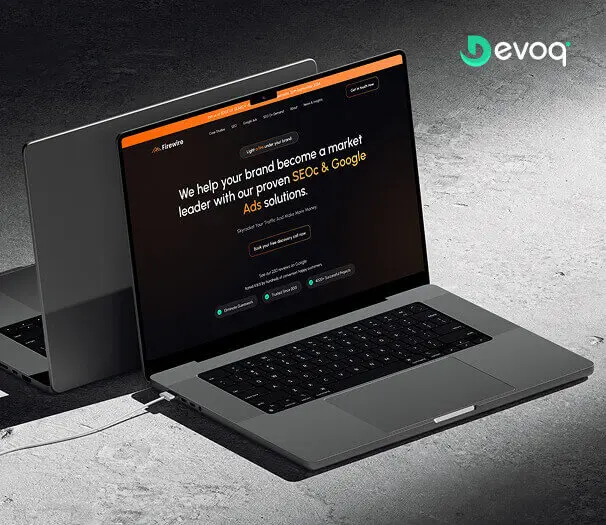
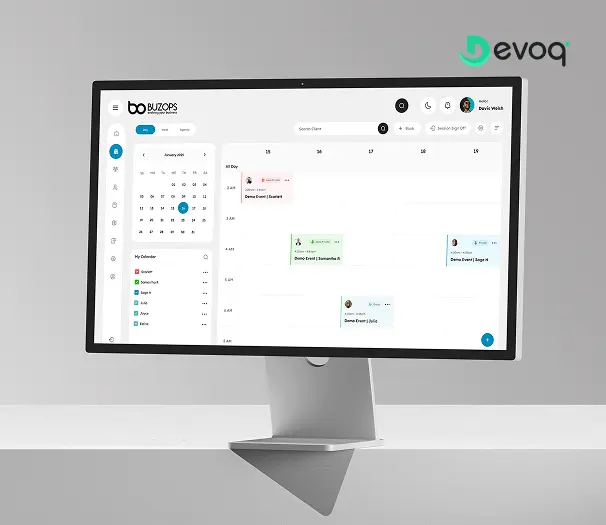
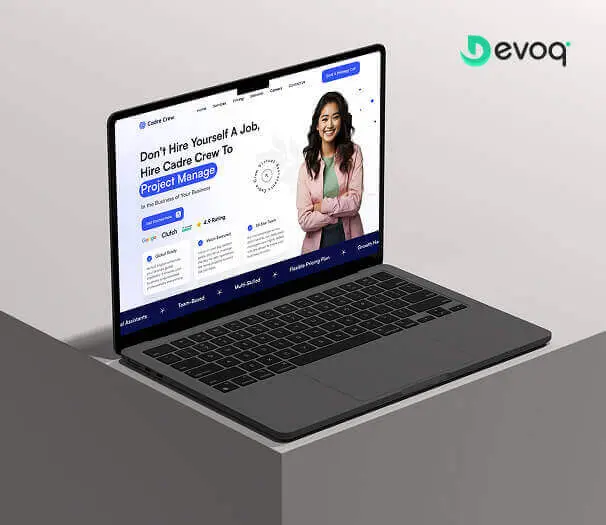
Real product delivery from the Devoq Design portfolio, including named studies such as Firewire, Buzops, Cadre Crew, Wealth Bridge and Angel Care. UX research hire work builds on that same shipping discipline; we do not invent fictional stack-only client claims on this page.
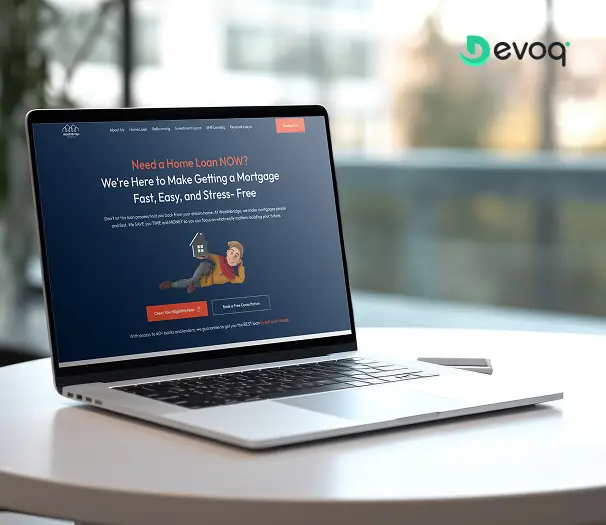
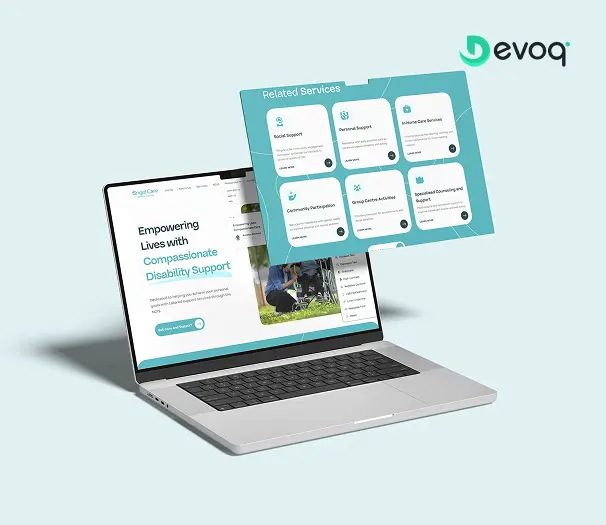
Want the story behind related case work?
We will walk named Devoq studies such as Firewire, Buzops and Wealth Bridge, and where front-end craft maps onto that delivery, under NDA.
Your Dedicated TeamEvidence crew shapes beside a UX researcher
Most programs start with one researcher who owns decision gates, then add product, design and analytics partners so findings become shipped tickets.
UX research lead
Owns study design, sessions, synthesis and decision-ready readouts tied to named backlog owners.
Decision-owning product partner
Names the bet at risk and absorbs research into tickets - research without this seat becomes archive.
Interface hypothesis designer
Turns validated insights into prototypes for the next test cycle rather than inventing screens in isolation.
Pattern library absorber
Pulls proven interaction patterns into design-system components after research, not before.
Qual+quant analytics partner
Pairs interview themes with behavioral signals so debates are not anecdote-only.
Separate markup craft seat
Explicitly different lane when the stall is hand-coded HTML/CSS rather than evidence programs.
What You ReceiveResearch artefacts that transfer at handover
Every UX research engagement ends with decision artefacts under your organization - not a pile of unindexed recordings.
Study plan and sample criteria
Framed questions, participant criteria and methods tied to the decision gate you named at kickoff.
Session notes and synthesis
Coded themes, severity maps and evidence quotes product can reopen without the original researcher.
Consent and storage log
What was captured, where it lives, and who may access recordings under your policies.
Decision readout deck
Named recommendations with owners and ticket links - not a theme dump without next steps.
Backlog change list
Explicit tickets created or updated from the study so evidence does not die in Notion.
Readout walkthrough
Live or recorded session with PM and design, plus a clarification window on open questions.
Best practices when you hire a UX researcher
Treat UX research hiring as owning decision-grade evidence: framed questions, ethical recruiting, synthesis and ticketed outcomes - not a survey archive that never changes the roadmap.
Trial on a real study brief
Give candidates a genuine product question. Evaluate framing and synthesis, not only facilitation polish.
Define done as decision-ready
Require named decisions and tickets so you do not re-buy unread decks.
Settle consent and storage before kickoff
Agree who owns recordings and notes if the engagement ends, before the first session.
Invite PM and design into readouts
Both sides should see evidence before arguing solutions.
Weight communication as heavily as clever methods
Clear decision logs beat brilliance that disappears between studies.
Failure patterns we see when research work arrives mid-flight for the wrong reasons.
Hiring research when UI execution is the real need
Screens due this sprint and evidence programs diverge. Use UI/UX when that is the center.
Expecting one researcher to own design-system libraries
Evidence craft and component libraries are different centers.
Running surveys without a decision gate
Charts without owners silently burn calendar.
Archiving insights without backlog mapping
Unread decks become expensive wallpaper.
Buying landing or website craft for pure research needs
Those lanes shine elsewhere; this lane is for evidence that changes product bets.
Support & MaintenanceWhat happens after the first UX research templates ship
Launch is when real content and devices find edge cases in layout and accessibility. Ongoing support acts on that feedback.
Regression care on live templates
Re-check breakpoints, focus paths and CSS regressions that drive campaigns.
System lane continuity
Keep component libraries and naming rules current as design evolves.
Performance tuning
Fix weight and unused CSS when Core Web Vitals or paid traffic demand it.

Flexible embedded capacity
Keep an UX researcher part-time or surge for a release window without restarting vendor onboarding.
Client FeedbackWhat clients say after working with us


“The client was pleased with Devoq Design's thorough understanding of each design stage. They seamlessly integrated into the internal team, providing helpful critiques and insights. They regularly communicated via phone, email, and Slack. Devoq Design's collaborative approach stood out.”
“Devoq Design has completed the design phase, and the client is very satisfied with the new layout. The service provider is responsive and incorporates the client's feedback. The client has been impressed with Devoq Design's ability to create both strategic and beautiful designs.”
“The project is still ongoing, but Devoq Design has already delivered functional components of the client's product. The team establishes a collaborative workflow through clear and constant communication, they always provide updates on the project's progress. They're also skilled at what they do.”
Frequently Asked QuestionsCommon questions about hiring UX researchers
What does a dedicated UX researcher at Devoq Design do?
A dedicated UX researcher plans and runs studies that reduce product risk: interview protocols, usability tests, synthesis and decision-ready insights so founders and PMs decide with evidence rather than loud opinions. At Devoq Design that researcher embeds with your product or design lead so research craft ships into your backlog rather than as a slide deck nobody acts on. They are the default hire when the brief is “prove or disprove product assumptions,” not UI pixel execution, conversion lander comps, or design-system libraries.
How is this different from hiring a UI/UX designer?
UI/UX designers own product interface craft and handoff. UX researchers own study design, fieldwork and evidence synthesis that should change those interfaces. If your bottleneck is screens this sprint, use the UI/UX lane. If your bottleneck is unvalidated decisions, use this lane.
Should I hire a design system designer instead?
Hire a design system designer when reusable components and tokens are the center. Hire a UX researcher when evidence must lead before you invest in library or feature work. Many teams need both over time.
Is this the same as your UX research service?
No. Service pages sell Devoq-delivered research programs. This hire page sells an embedded UX researcher on your product team under hire engagement models.
Do you guarantee research will improve conversion or retention?
No. We do not invent guaranteed metric lifts on this page. We ship decision-ready evidence craft. Outcomes still depend on whether the organization acts on findings.
How quickly can a UX researcher join my team?
Join speed depends on seniority and your interview availability, not a fixed day-count on this page. After discovery we shortlist matched researchers, run your interviews and validate with a trial study brief before you commit.
Who owns recordings, notes and insights?
You do. At Devoq Design, study assets and documentation transfer to accounts under your organization. Consent and storage rules are written at kickoff.
What happens if the researcher is not the right fit?
Dedicated engagements include a trial sprint before commitment and replacement cover within the first 30 days, with managed knowledge transfer so you do not restart from undocumented findings.
Can you work with an existing research backlog?
Yes. We audit open questions, prior studies and decision gaps, then propose a study slice that unblocks the next roadmap gate without insisting on a full research ops rebuild on day one.
How long does a typical research engagement take?
It depends on recruiting access, study type, decision speed and how quickly findings must land in the backlog. Discovery framing, fieldwork, synthesis and ongoing capacity each sequence differently. We scope after discovery rather than inventing week-count guarantees.
What is the difference between a freelancer and a dedicated UX researcher?
A dedicated researcher embeds in your process: decision logs, backlog mapping and continuity across releases with methods that compound. A freelancer often delivers isolated decks without long-term ownership of research ops.
Do you provide support after the first study ships?
Yes. Ongoing work can include follow-up studies, readout coaching for stakeholders, method documentation and flexible embedded capacity when your roadmap keeps changing.
Related ServicesExplore other ways we can help
UX researcher hires sit beside website service programs and specialist hire lanes.
Website Development Service
When you want Devoq to deliver a website program as a service engagement rather than an embedded UX research seat.
ExploreFront-end Service
When you want Devoq-delivered front-end implementation as a program.
ExploreHire Webflow Developer
Webflow CMS and Designer when evidence-led research is not the system of record.
ExploreHire WordPress Developer
WordPress themes/plugins when broader CMS ownership is the center.
ExploreHire UI/UX Designer
Product and marketing UI craft when design ownership leads.
ExploreHire React JS Developer
SPA and app UI when the center is React, not static research.
Explore
Ready to hire an UX researcher for your team?
Book a free consultation. We will scope the research work, recommend an engagement model and share matched profiles. No obligation and no pressure script.