

Hire Design System Designer Who Ships Reusable UI Libraries
Bring on a vetted design system designer who turns scattered UI into durable library structure: token foundations, component APIs, usage docs, accessibility baselines, and contribution paths so squads can extend the system without forks. Embedded in your rituals, accountable to your product release calendar, so you hire design-system capacity without pretending this is one-off screen design or UX research fieldwork.
 Vetted design system shortlist
- Trial sprint on a real library ticket
- 100% project ownership transfer
- NDA-backed from day one
Trusted by product teams and rated on independent review platforms





What does a dedicated design system designer actually do?
A dedicated design system designer builds and governs reusable UI libraries: tokens, components, documentation and contribution rules so product teams ship consistent interfaces without reinventing patterns per feature. At Devoq Design that designer embeds with your design or front-end lead (library planning, reviews and adoption rhythm) so system craft ships in your Figma and code sources, not as a static style PDF nobody maintains.
The craft spans modeling tokens for color, type and space, defining component APIs that survive real product edge cases, writing usage docs contributors can follow, setting contribution and review rituals, pairing with engineers on coded counterparts when needed, and measuring adoption so the library does not become shelfware. They join standups, work in your Figma and repo under access you control, and hand back a system squads can operate, so you get reusable UI craft rather than a one-time style guide.
Key takeaways
Design system designer at Devoq Design means reusable UI libraries and governance, not one-off screen comps, not UX research fieldwork, not conversion lander craft, and not design system marketing canvases.
A dedicated designer embeds in your library and adoption rhythm; a freelance “style PDF dump” typically leaves components no squad can extend safely.
UI/UX design, Figma design, UX research and website design each have their own hire lane when that is truly the center.
The three practical hiring routes are a dedicated design system designer, a small experience pod (design system plus design), or a defined-scope design system rebuild against a written brief.
Clarity on NDA, IP assignment and who owns the design system project, custom domain and billing should be settled in writing before launch.

 Business Challenges
The design system designer bottlenecks teams bring us
Most design leads do not search to hire a design system designer for sport. They start with components duplicated across squads, tokens that drift per feature, or a style PDF nobody can extend in Figma or code. Looking usually begins after a rebrand fractures product UI, after accessibility debt piles up, or after leadership asks why every screen reinvents buttons. These are the six we hear most often.

Components reinvented per squad
Buttons, forms and tables fork silently until the product looks like five products.
How we resolve it
Inventory patterns, define a core component set, and publish contribution rules before adding more screens.
Tokens that nobody trusts
Color and spacing values live in tribal knowledge; dark mode and brand updates break randomly.
How we resolve it
Model tokens with naming and ownership, then map them into Figma and code sources teams already use.
Docs that stop at screenshots
Libraries show pretty comps without APIs, do/dont rules or accessibility notes.
How we resolve it
Write usage docs as part of done: props, states, accessibility and examples for real product cases.
Adoption without governance
A library launches once, then squads fork because contribution paths are unclear.
How we resolve it
Install review rituals, versioning habits and a thin intake process for new components.
Forcing a system when one-off screens are the real need
Leadership wants a full library when the backlog is three marketing pages.
How we resolve it
Keep design-system hires on reusable product UI. Route landers and websites to those lanes.
Wrong specialist for the bottleneck
Teams buy a system designer when they need UX research, Figma production craft or website IA.
How we resolve it
Route honestly across specialist hire lanes before paying for shelfware.
Why a Design System HireWhy teams hire a design system designer before another generic UI seat
Generalist UI help matters when screens must ship. When the brief needs reusable libraries and governance, a dedicated design system designer is usually the calmer path. This section is about that hiring shape; it is not a claim that a library replaces product design.
Consistency that compounds
Shared components reduce redesign tax across squads.
Right-sized for library ownership
Most needs are tokens, APIs and docs, not more one-off screens.
Governance with restraint
Contribution paths beat silent forks.
Routes into product UI or marketing craft when needed
When the center becomes research, marketing sites or Framer canvases, we point you there.
Complements product design services
If you need a Devoq-delivered product program, service pages cover that shape. Hire is the embedded library seat.
Continuity across releases
Embedded system designers carry versioning into the next quarter.
 Why Devoq Design
Why businesses hire design system designers from us
When you hire design-system designers from Devoq Design, you get library owners who treat tokens, components and contribution rules as product - not a one-off Figma dump. System work stays reviewable with your design and front-end leads across Ahmedabad, Ajax and Sacramento.
Builders who ship editable design system sites
Shortlists favor people who have lived with component handoffs, interaction QA and marketing updates, not only motion demos.
design system designer trial sprints measured in days
Discovery call, matched profiles, your interviews, then a trial sprint on a real library ticket in your project.
Same studio when adjacent craft must move
When brand or UX must move with design system implementation, the same studio can extend into UI/UX or Figma under coherent delivery.
Capacity that tracks brand seasons
Start with one design system designer; add design or CMS specialists when scope genuinely requires it.
Timezone overlap stakeholders can feel
Meaningful timezone overlap and written updates brand stakeholders can see.
NDA and IP that keep ownership clear
Mutual NDA, IP assignment and clear ownership of the design system project under your organization.
Have design system work that needs an embedded owner?
Send a short brief: current design system maturity, CMS needs, motion ambitions and who publishes content day to day. We will come back with matched design system designer profiles.
 Services Included
What hiring a design system designer covers
Whether you engage a single design system designer or a small library pod, the breadth below is available from day one. A token foundation and a full coded counterpart program are still different calendars.

System audit and inventory
Workshops that turn “we need a design system” into a prioritized pattern inventory.

Token foundations
Color, type, space and elevation tokens with naming teams can extend.

Core component sets
Buttons, forms, navigation and data display patterns with real product states.

Accessibility baselines
Focus, contrast and semantics baked into component definitions of done.

Usage documentation
Do/dont guidance and examples contributors can follow without Slack archaeology.

Contribution and review rituals
How new components enter the library without creating silent forks.

Figma library hygiene
Published libraries, version notes and deprecate paths designers trust.

Code pairing (as scoped)
Collaboration with engineers when coded counterparts must stay in sync.

Adoption measurement
Simple ways to see which squads use the library and where forks remain.
Need Webflow CMS, WordPress, Unbounce or hand-coded HTML/CSS instead? Use those hire lanes. Prefer a Devoq-delivered website program? Start from our website development service. Website development (service), Webflow sites (hire), Figma libraries (hire) and React.js SPA UI (hire) developers.
Where System Craft LandsSurfaces a design system designer typically owns
This lane maps to reusable product UI libraries. It is not a marketing lander lane and not a research fieldwork lane.
Token foundations
Shared color, type and space sources for product UI.
Core component libraries
Buttons, forms, navigation and data patterns with states.
Documentation hubs
Usage rules contributors can follow without archaeology.
Contribution workflows
How new patterns enter without creating forks.
Accessibility baselines
Focus, contrast and semantics in component definitions of done.
Adoption tracking
Simple views of which squads use the library and where drift remains.
Design System StackThe tools our design system designers work with
We pick tools that fit your product design and engineering workflow.
Typical engagements use Figma libraries, token tooling where useful, documentation surfaces your teams already open, and collaboration with engineers on coded counterparts when scoped. Exact add-ons follow your constraints.
When design libraries and repos already live under your organization, we adopt yours. We do not invent unverifiable system awards in sales copy.
How We WorkOur design system delivery process
We work in short publishable cycles: components first, then page stories, then interaction polish, with publish rehearsals before launch.
- 01
Discovery and experience framing
Page inventory, component needs, CMS needs and migration constraints documented.
- 02
Foundation components
Component system, global chrome and one vertical page template wired end to end.
- 03
Story and CMS build-out
Remaining pages, collections and campaign surfaces under your review habits.
- 04
Harden and train
Breakpoint QA, SEO fields, motion budgeting and publish walkthroughs.
- 05
Iterate from brand feedback
Analytics and editor friction feed the next component improvements.
Hiring ProcessHow to hire a design system designer, step by step
Most teams go from first conversation to someone working in the design system project after a short discovery and trial cycle.
- 01
01
Discovery call
Share the product surface, design system maturity, motion ambitions and CMS needs and who owns go-live decisions. We listen for whether Webflow, WordPress, Unbounce or React lanes fit better.
- 02
02
Matched shortlist
Profiles of design system designers whose past shipping matches your complexity, with notes on strengths so interviews stay concrete.
- 03
03
Your interviews
You run technical conversations. We recommend a real problem from your backlog rather than a puzzle that never touches your stack.
- 04
04
Trial sprint
Paid work in your repo on an agreed ticket with your review standards. You evaluate communication and craft before a longer commitment.
- 05
05
Embed and expand
On success, the engineer continues under the engagement model you chose, with clear IP, repo access and collaboration rules already written.
Project TimelineHow design-system programs usually sequence
System calendars follow adoption readiness, token governance and how fast product teams will migrate off one-off UI. Patterns below are planning shapes, not promised library ship dates.
Audit + token foundation
Inventory inconsistent UI, lock colour/type/spacing tokens and agree contribution rules before mass component work.
Core component set
Ship the highest-traffic primitives (buttons, forms, navigation) with usage docs so teams can adopt instead of forking.
Migration wave
Replace legacy screens in priority order, track adoption metrics and retire duplicate variants.
Standing system ownership
Keep a design-system designer embedded for RFC reviews, versioning and release notes across product seasons.
Discovery sets the sequence; we revise at review gates instead of inventing fixed weeks from a sales call.
Engagement ModelsWays to hire design system designers from Devoq Design
Pick the commercial shape that matches how decisions get made. All models share NDA, IP assignment and clear ownership of the design system project.
Dedicated design system designer
One embedded engineer on your design system roadmap, owning design system tickets end to end.
- Full-time capacity on your backlog
- Works in your repos and tools
- Trial sprint before commitment
- Replacement cover if fit fails early
Best for
Teams with a continuous design system / brand-site backlog
Discuss this modelExperience site pod
design system engineer plus design when brand motion and implementation must move together.
- Shared delivery cadence
- Complementary roles in one rhythm
- Escalation into adjacent seats when blocked
- Single commercial relationship
Best for
Rebuilds where interaction fidelity and editability must ship together
Discuss this modelDefined-scope design system slice
A written brief, milestone reviews and a clear done definition when you are not ready for an open-ended seat.
- Fixed outcomes agreed up front
- Handoff docs included
- Option to convert to dedicated
- Good for first cleanup milestones
Best for
First design system cleanup or a board-deadline launch
Discuss this model
Compare OptionsDedicated design system designer vs other ways to get experience sites built
Each path can be valid. Differences show up in component continuity, motion craft and ownership of the design system project.
Still weighing design system versus Webflow or WordPress?
Bring the awkward version: design system experience site, Webflow CMS, WordPress estate, Unbounce PPC, or React app UI. You will talk to a technical lead who will say which lane fits.
Quality, Security & TransparencyHow we keep design system work safe enough to ship
Experience-site failures show up as broken campaigns and uneditable canvases. Baseline practices on dedicated engagements follow.

Review before publish
Preview checks on breakpoints, forms and motion before production publish.
Project access under your org
Roles and billing live in client-controlled design system accounts with revoke on rotation.

NDA and IP assignment up front
Mutual NDA before deep discovery. Assets and documentation assign to you.
Transparent status
Written updates covering what published, what is blocked on content, and what training remains.
Accessible defaults
Focus order, alt text and reduced-motion choices documented for QA.
Honest lane routing
If the work is really Webflow, WordPress, Unbounce or React app UI, we say so before you pay for the wrong design system seat.
Industries We ServeWhere design system designer hires usually land
Devoq Design works across industries already on our site. design system marketing sites inherit the same product discipline; sector rules change compliance copy, not the need for editable interactive structure.
SaaS brand sites
Product stories where motion supports clarity and CMS proof libraries update often.
Agency and studio portfolios
Case stories with intentional interaction patterns.

Consumer brand launches
Campaign microsites that must feel premium under a fixed launch window.
Education and course marketing
Program pages and resource libraries with enrollment forms.

Event and conference experiences
High-visibility pages where pacing and motion matter.

Healthcare-adjacent content sites
Information hubs with stricter claim review. We invent no clinical claims.
Global DeliveryCollaborate across time zones with clear overlap
Dedicated design system designers work with your stakeholders in overlapping hours and leave written breadcrumbs for async follow-through. Studio presence spans Ahmedabad, Ajax (Ontario) and Sacramento (California).
North America overlap
Meaningful hours with US and Canadian teams for reviews, standups and launch windows that cannot wait until tomorrow.
Europe-friendly scheduling
Planning that respects EU working days when your product and compliance stakeholders sit there.
India delivery depth
Engineering capacity from Ahmedabad that keeps moving while your day starts, with handoff notes that make progress inspectable.
Async discipline
PR descriptions, recorded walkthroughs and decision logs so a timezone gap never means a black box.
Every engagement operates under clear commercial terms, so adding design system designers capacity later does not mean restarting trust, NDA or repository ownership from scratch.
Case Study HighlightsDiscover Our Case Studies
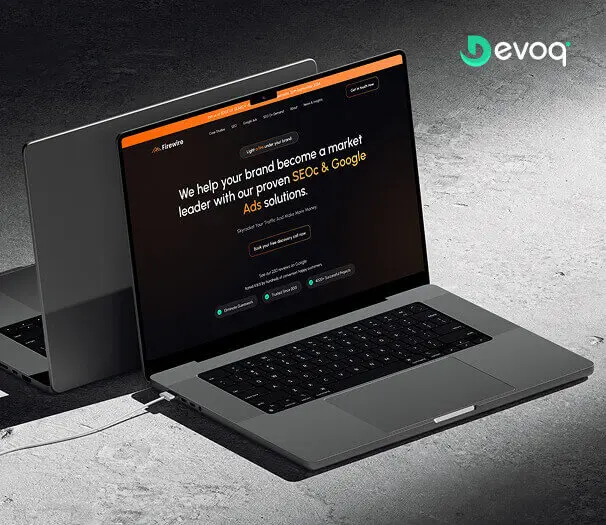
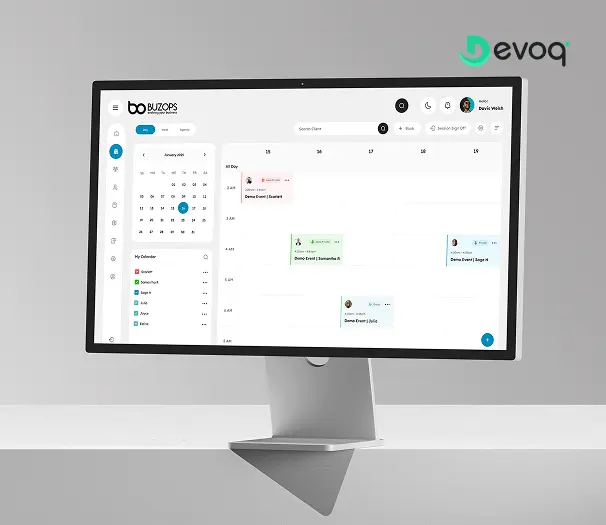
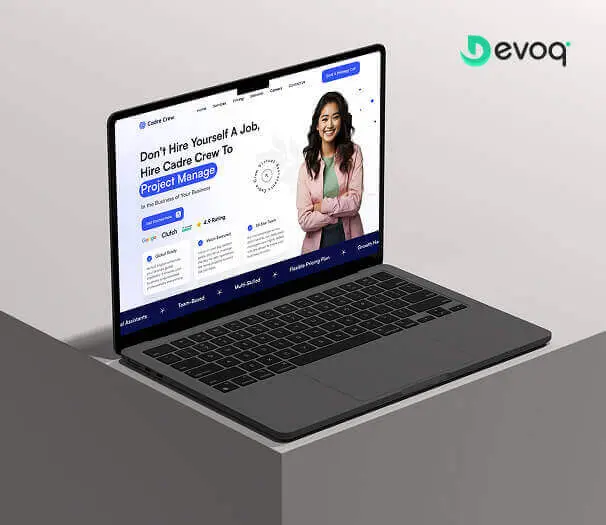
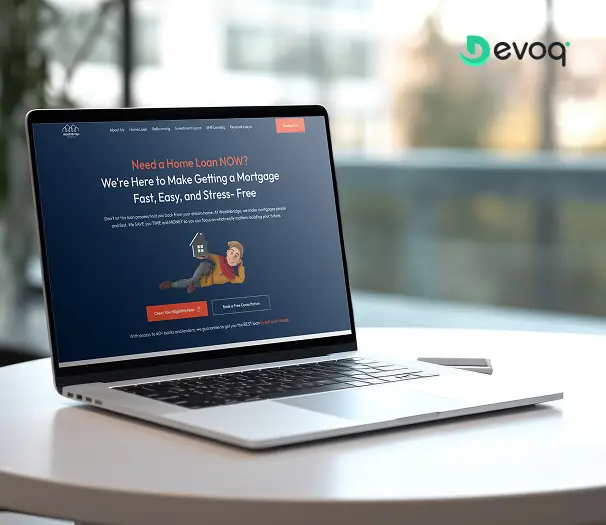
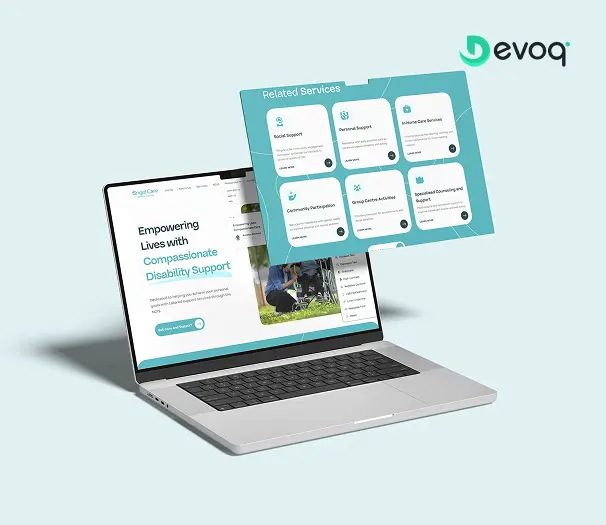
Real product delivery from the Devoq Design portfolio, including named studies such as Firewire, Buzops, Cadre Crew, Wealth Bridge and Angel Care. Design system hire work builds on that same shipping discipline; we do not invent fictional stack-only client claims on this page.
Want the story behind related case work?
We will walk named Devoq studies such as Firewire, Buzops and Wealth Bridge, and where interactive site craft maps onto that delivery, under NDA.
Your Dedicated TeamRoles you can staff beside a design-system designer
Libraries succeed when product, engineering and brand share governance. Start with one system owner, then add partners for adoption.
Design System Designer
Owns tokens, component APIs, documentation and contribution RFCs.
Figma Designer
Maintains the source libraries product teams pull into new screens.
Front-end / React partner
Implements coded components that mirror the library contract in production apps.
UI/UX Designer
Explores product-specific patterns that later graduate into the shared system.
Accessibility specialist
Validates interaction and contrast rules before components are marked stable.
Framer Developer
Separate lane when the brief is a Framer marketing site, not a multi-product library.
What You ReceiveDeliverables at the end of every engagement
Handover is a defined stage of the work. Everything listed here transfers to you regardless of how the engagement concludes.
design system project under your org
Working design system site structure and components in your account.
Component documentation
Notes on variants and when to extend versus fork.
Publish runbooks
Steps for preview, production publish and rollback notes.
CMS update guides (when used)
What publishers can change without breaking layouts.
Motion and performance notes
What effects remain and which pages to watch.
Handover walkthrough
A live or recorded walkthrough plus a defined window for clarification.
Best practices when you hire a design system designer
Treat design-system hiring as owning the shared UI language: tokens, components, docs and contribution paths - not a static sticker sheet.
Trial on a real library ticket
Give candidates a genuine component or token task. Evaluate APIs and docs, not only visual polish.
Define done as adoptable
Require usage docs and contribution paths so you do not re-buy shelfware.
Settle library ownership before kickoff
Agree who owns Figma libraries and docs if the engagement ends.
Invite engineering into reviews
Coded counterparts and design APIs should meet early.
Weight communication as heavily as clever components
Clear governance notes beat brilliance that forks silently.
Failure patterns we see when design-system work arrives mid-flight for the wrong reasons.
Hiring a system designer when one-off screens are the real need
Feature UI sprints and library ownership diverge.
Expecting one system seat to own UX research fieldwork
Libraries and evidence programs are different centers.
Shipping components without docs
Undocumented kits become instant forks.
Ignoring adoption after launch
A library nobody uses is expensive wallpaper.
Buying Framer or marketing-site craft for product library needs
Those lanes shine elsewhere; this lane is for reusable product UI.
Support & MaintenanceWhat happens after the first design system launch ships
Launch is when real devices find edge cases in motion and publishing. Ongoing support acts on that feedback.
Regression care on critical pages
Re-check forms, breakpoints and high-traffic stories.
Component lane continuity
Keep variants and naming current as brand seasons change.
Performance tuning
Fix media and effect debt when metrics climb.

Flexible embedded capacity
Keep a design system designer part-time or surge for a launch window without restarting vendor onboarding.
Client FeedbackWhat clients say after working with us


“The client was pleased with Devoq Design's thorough understanding of each design stage. They seamlessly integrated into the internal team, providing helpful critiques and insights. They regularly communicated via phone, email, and Slack. Devoq Design's collaborative approach stood out.”
“Devoq Design has completed the design phase, and the client is very satisfied with the new layout. The service provider is responsive and incorporates the client's feedback. The client has been impressed with Devoq Design's ability to create both strategic and beautiful designs.”
“The project is still ongoing, but Devoq Design has already delivered functional components of the client's product. The team establishes a collaborative workflow through clear and constant communication, they always provide updates on the project's progress. They're also skilled at what they do.”
Frequently Asked QuestionsCommon questions about hiring design system designers
What does a dedicated design system designer at Devoq Design do?
A dedicated design system designer builds and governs reusable UI libraries: tokens, components, documentation and contribution rules so product teams ship consistent interfaces without reinventing patterns per feature. At Devoq Design that designer embeds with your design or front-end lead so system craft ships in your Figma and code sources rather than as a static style PDF nobody maintains. They are the default hire when the brief is “own the library,” not one-off screens, UX research fieldwork, or marketing landers.
How is this different from hiring a Figma designer?
Figma designers often own production design craft across screens. A design system designer owns the shared library those screens should consume: tokens, components, docs and governance. If your bottleneck is shipping screens this sprint, use UI/UX or Figma lanes. If your bottleneck is reusable patterns, use this lane.
Should I hire a UX researcher instead?
Hire a UX researcher when evidence must lead before investing in library or feature work. Hire a design system designer when consistency and reuse are the center. Many teams need both over time.
Is this the same as your product design service?
No. Service pages sell Devoq-delivered programs. This hire page sells an embedded design system designer on your product team under hire engagement models.
Do you guarantee adoption percentages across squads?
No. We do not invent guaranteed adoption metrics on this page. We ship maintainable libraries and governance. Adoption still depends on engineering pairing and leadership reinforcement.
How quickly can a design system designer join my team?
Join speed depends on seniority and your interview availability, not a fixed day-count on this page. After discovery we shortlist matched designers, run your interviews and validate with a trial library ticket before you commit.
Who owns the Figma library and documentation?
You do. At Devoq Design, libraries, tokens and docs transfer to accounts under your organization. Ownership and revoke procedures are written at kickoff.
What happens if the designer is not the right fit?
Dedicated engagements include a trial sprint before commitment and replacement cover within the first 30 days, with managed knowledge transfer so you do not restart from undocumented components.
Can you take over an existing design system?
Yes. We audit tokens, components, docs and adoption gaps, then propose a slice that improves maintainability without insisting on a total rewrite on day one if a thinner path can ship safely first.
How long does a typical design system engagement take?
It depends on inventory size, engineering pairing, governance maturity and decision speed. Foundations, core components, docs and ongoing capacity each sequence differently. We scope after discovery rather than inventing week-count guarantees.
What is the difference between a freelancer and a dedicated design system designer?
A dedicated designer embeds in your process: contribution rituals, version notes and continuity across squads with patterns that compound. A freelancer often delivers a one-time kit without long-term ownership of governance.
Do you provide support after the first library release?
Yes. Ongoing work can include contribution reviews, token updates, accessibility hardening and flexible embedded capacity when product surfaces keep expanding.
Related ServicesExplore other ways we can help
design system designer hires sit beside website service programs and specialist hire lanes.
Website Development Service
When you want Devoq to deliver a website program as a service engagement rather than an embedded design system seat.
ExploreHire Webflow Developer
Webflow CMS and Designer when design system is not the system of record.
ExploreHire Figma Designer
Libraries and Dev Mode when Figma is the brand source of truth.
ExploreHire Unbounce Developer
PPC landing variants when paid ops is the bottleneck.
ExploreHire HTML/CSS Designer
Hand-coded front-end without a design system canvas when that is the center.
ExploreHire React.js Developer
SPA UI when product application UI needs code-first engineering.
Explore
Ready to hire a design system designer for your team?
Book a free consultation. We will scope the design system work, recommend an engagement model and share matched profiles. No obligation and no pressure script.