

Hire Android Developer Who Ships Native Kotlin Apps
Bring on a vetted Android developer who treats your Kotlin codebase as product: Jetpack Compose or View systems your team already chose, ViewModel and navigation that survive process death, Play feature delivery and signing under accounts you control, and mid-tier device profiling before reviews pile up. Embedded in your standups and repos, accountable to your sprint board, so you hire native Android capacity without stretching a Flutter or React Native hire into platform APIs they never owned.
 Vetted Kotlin Android shortlist
- Trial sprint on a real Android ticket
- 100% source code ownership
- NDA-backed from day one
Trusted by product teams and rated on independent review platforms





What does a dedicated Android developer actually do?
A dedicated Android developer builds native Play Store applications in Kotlin: activities or Compose UI, architecture components, Play policies, device fragmentation and release tracks. At Devoq Design that engineer embeds with your product team (standups, PRs and Play Console rhythm) so Android craft ships in your repos, not as a Flutter shell or React Native bridge pressed into Kotlin-only problems.
The craft spans structuring UI with Compose or Views as your codebase dictates, wiring ViewModels and repositories that survive configuration changes, integrating Google Play services and device APIs under your signing, shaping background work with WorkManager where earned, profiling memory and startup on mid-tier devices, and leaving Play track notes operators trust. They join standups, open PRs in your Android repos and document module boundaries, so you get native Android engineering rather than a cross-platform hire guessing at Gradle or Play policy.
Key takeaways
Android developer at Devoq Design means native Kotlin Play Store apps, not Flutter/Dart, not React Native JS bridges, and not Swift iOS ownership.
A dedicated engineer embeds in your Android repos and review rhythm; a freelance APK dump typically leaves signing and Play Console access outside your systems.
Flutter, React Native, iOS, React.js web and API lanes each have their own hire page when that is truly the center.
The three practical hiring routes are a dedicated Android developer, a small mobile pod (Android plus QA), or a defined-scope Android slice against a written brief.
Clarity on NDA, IP assignment and who owns keystores, Play Console roles and CI should be settled in writing before production track promotion.

 Business Challenges
The problems teams bring us before they hire
Most product leads do not search to hire an Android developer for sport. They start with Play policy rejections, Compose migration pain, Gradle debt, or cross-platform contractors who bounce off Kotlin APIs. Looking usually begins after a crash cluster on mid-tier devices, after a feature that only works on flagship phones, or after leadership asks why Android lags iOS. These are the six we hear most often.

Play policy and track promotion friction
Builds fail review for data safety, permissions or incomplete store listings.
How we resolve it
Align permission justifications, data safety forms and staged track rollouts under your Play Console with checklists QA can follow.
Compose and View hybrid chaos
Half the app is Compose, half is XML; navigation and theming disagree across modules.
How we resolve it
Document a coexistence strategy, migrate vertical slices intentionally, and stop ad-hoc wrappers every sprint.
Gradle and modularisation debt
Multi-module graphs slow CI; dependency versions conflict; feature modules cannot ship independently.
How we resolve it
Flatten dead modules, pin BOM versions, and carve feature modules that match how teams actually release.
Mid-tier device crashes and ANRs
Flagship demos look fine; Play vitals fail on older OEMs with memory and startup issues.
How we resolve it
Profile startup and memory on representative devices, fix main-thread work, and watch vitals after each track push.
Cross-platform hires stretched into Kotlin-only APIs
Flutter or RN engineers guess at Play services, foreground services or OEM quirks.
How we resolve it
Shortlist native Android engineers, trial on a real Kotlin ticket, and keep cross-platform seats on those codebases.
Wrong hire when Android is not the center
Teams buy Android when they need Flutter, React Native, iOS, or React.js web.
How we resolve it
Route to Flutter, React Native, iOS or React.js lanes when that is the real bottleneck.
Why a Native Android Engineering HireWhy teams hire an Android developer before another cross-platform seat
Cross-platform frameworks are right for many products. When Android UX, Play policy or Kotlin APIs are the differentiator, a dedicated Android developer is usually the calmer hire.
Platform APIs without a bridge tax
Compose, Play services and OEM behaviors ship without waiting for a wrapper library.
Right-sized for Kotlin shops already committed
Most briefs need someone who knows your Gradle graph and architecture pattern, not a tourist from Dart.
Play vitals as part of done
Startup, ANR and crash rates are shipping criteria, not a later surprise.
Room to escalate into Flutter or RN
When cross-platform centers fit better, we point you there instead of stretching this role.
Complements mobile app development services
Devoq-delivered mobile programs live on service pages. Hire is the embedded Android seat.
Continuity across Play policy seasons
Embedded Android engineers carry release notes and vitals playbooks into the next cycle.
 Why Devoq Design
Why businesses hire Android developers from us
Devoq Design is a design-led studio: 357+ projects, 196+ clients, 34+ people, 7+ years shipping digital products, rated 5.0 on Clutch. Android engineers sit with product and design, not in a silo that throws untested APKs over a wall. Offices in Ahmedabad, Ajax (Ontario) and Sacramento (California) keep client collaboration practical across regions.
Engineers who ship Kotlin into Play Store apps
Shortlists favor people who have lived with Play policy, Compose migrations and vitals pain.
Onboarding measured in days, not quarters
Discovery, matched profiles, your interviews, then a trial sprint on a real Android ticket.
Design and build partners in one studio
When Material specs must move with Kotlin implementation, the same studio can extend into UI/UX under coherent delivery.
Capacity that tracks your Android roadmap
Start with one Android developer; add QA or iOS depth when scope requires it.
Real overlap with your working day
Timezone overlap and written updates, not relayed decisions second-hand.
Contracts that protect the client
Mutual NDA, IP assignment and ownership of repos, keystores and docs under your accounts.
Have native Android work that needs an embedded owner?
Send a short brief: Kotlin/Compose status, Gradle layout, Play policy pressure and device matrix. We will come back with matched profiles.
 Services Included
What hiring an Android developer covers
Whether you engage one Android developer or a small pod, the breadth below is available from day one. A Compose migration and a Play policy rescue are different calendars.

Android discovery and app framing
Turn “fix Android” into module maps, Compose/View inventory and a first vertical slice.

Kotlin UI with Compose or Views
Screen architecture aligned to the system your codebase already chose.

Architecture components
ViewModel, navigation, repositories and DI patterns your squad can extend.

Play services and device APIs
Maps, push, billing and sensors integrated under your signing and privacy forms.

Background work and reliability
WorkManager and foreground services used where product actually needs them.

Performance and Play vitals
Startup, ANR and memory work measured on mid-tier OEMs.

Gradle, CI and track releases
Build pipelines, signing handoff and staged rollouts in Play Console under your org.

Modularisation cleanup
Feature modules and dependency BOMs that match how teams release.

Handoff docs for your Android squad
Architecture notes and release runbooks the next engineer inherits.
Need Flutter or React Native instead? Use those hire lanes. Need iOS? Use the iOS route. Prefer a Devoq-delivered program? Start from mobile app development services. Mobile app development (service), Native iOS Swift (hire), Flutter/Dart mobile (hire) and React Native mobile (hire) developers.
Where Native Android Apps LandSurfaces an Android developer typically owns
This lane maps to Kotlin Play Store places native Android is the center. It is not a Flutter widget lane and not a React Native bridge lane.
Consumer Play Store apps
Kotlin apps where Android UX and Play policy are first-class.
OEM and mid-tier focused products
Experiences tuned for fragmentation beyond flagship demos.
Fintech Android clients
Secure flows with Play integrity and device signals as scoped.
Field and logistics Android tools
Barcode, GPS and offline workflows on rugged or mid-tier devices.
Android modules inside larger orgs
Feature modules that must compile against enterprise Gradle graphs.
Compose migration programs
Intentional View-to-Compose transitions without freezing delivery.
Android Engineering StackThe tools our Android developers work with
We pick tools that fit your existing Android project and keep signing, CI and Play access under your control.
Typical engagements use Kotlin, your Compose or View system, Jetpack libraries your repo already relies on, Gradle version catalogs you operate, and CI that produces AAB artifacts for Play. Exact versions follow your constraints.
When crash reporting, design handoff and Play Console roles are already standard, we adopt yours.
- Kotlin
- Jetpack Compose / Views
- Android Gradle Plugin
- Material components
- ViewModel
- Navigation
- Coroutines / Flow
- Hilt / DI as used
- Play Console tracks
- Play services APIs
- WorkManager
- Data safety forms
- Espresso / Compose tests
- Benchmark / profilers
- Play vitals
- Firebase Crashlytics (when used)
- GitHub / GitLab
- Figma mobile handoff
- Slack / Teams
- Play Console access as scoped
How We WorkOur Android delivery process
Short cycles with UI reviews, mid-cycle device demos, and Play-readiness checks before calling a slice done.
- 01
Discovery and app framing
Module map, Compose/View mix, Play policy pressure and API contracts documented.
- 02
Foundation slice
One vertical user path with architecture patterns the team will reuse.
- 03
Feature delivery in PRs
Expand screens, device APIs and tests under your branching and review rules.
- 04
Harden and document
Vitals passes, release notes and architecture conventions for the next engineer.
- 05
Iterate from Play feedback
Crash clusters and policy comments feed the next Android slice with evidence.
Hiring ProcessHow to hire an Android developer, step by step
Most teams go from first conversation to an engineer contributing after a short discovery and trial cycle.
- 01
01
Discovery call
Share the product surface, Kotlin/Compose status, Gradle pain and Play timeline and who owns go-live decisions. We listen for whether Flutter, React Native or iOS lanes fit better.
- 02
02
Matched shortlist
Profiles of Android developers whose past shipping matches your complexity, with notes on strengths so interviews stay concrete.
- 03
03
Your interviews
You run technical conversations. We recommend a real problem from your backlog rather than a puzzle that never touches your stack.
- 04
04
Trial sprint
Paid work in your repo on an agreed ticket with your review standards. You evaluate communication and craft before a longer commitment.
- 05
05
Embed and expand
On success, the engineer continues under the engagement model you chose, with clear IP, repo access and collaboration rules already written.
Project TimelineHow native Android programs usually sequence
Kotlin calendars follow Compose migration depth, device matrix coverage and Play policy readiness. Patterns below are native planning shapes, not cross-platform Dart/JS week counts.
Architecture + one device-proven path
Lock app architecture and ship one critical user journey on representative mid-tier devices.
Feature and Play services growth
Expand screens, notifications and Play integrations once Crashlytics and vitals look healthy.
Vitals and policy gate
Startup/ANR work, target API compliance and store listing hygiene before a major rollout.
Embedded Android ownership
Keep a Kotlin engineer on the roadmap as Android surface and OS versions advance.
We scope after discovery and revise at review boundaries rather than inventing week-count guarantees.
Engagement ModelsWays to hire Android developers from Devoq Design
Pick the commercial shape that matches how decisions get made. All models share NDA, IP assignment and clear ownership of code.
Dedicated Android developer
One embedded engineer on your Android roadmap, owning Kotlin tickets end to end.
- Full-time capacity on your backlog
- Works in your repos and tools
- Trial sprint before commitment
- Replacement cover if fit fails early
Best for
Teams with a continuous native Android backlog
Discuss this modelAndroid mobile pod
Android engineer plus QA when device-matrix and Play vitals must move together.
- Shared delivery cadence
- Complementary roles in one rhythm
- Escalation into adjacent seats when blocked
- Single commercial relationship
Best for
Launch windows where Android quality is release-critical
Discuss this modelDefined-scope Android slice
Written brief and milestone reviews when you are not ready for an open-ended seat.
- Fixed outcomes agreed up front
- Handoff docs included
- Option to convert to dedicated
- Good for first cleanup milestones
Best for
Compose migration slice or Play policy rescue
Discuss this model
Compare OptionsDedicated Android developer vs other ways to get Android apps built
Each path can be valid. Differences show up in Play ownership, vitals continuity and Kotlin architecture.
Still weighing Android versus Flutter or React Native?
Bring the awkward version: Kotlin-native, Dart Flutter, JS/TS React Native, or Swift iOS. A technical lead will say which lane fits.
Quality, Security & TransparencyHow we keep Android work safe enough to ship
Android failures show up as Play rejections and vitals regressions. Baseline practices on dedicated engagements follow.
Review like production mobile code
PRs, tests where earned, and device checks before track promotion.
Keystores and secrets in your boundary
Signing and CI credentials live in client-controlled systems.

NDA and IP up front
Mutual NDA before deep discovery. Code and store assets assign to you.
Transparent status
Written updates on what shipped, what is blocked on Play, and what vitals debt remains.

Accessible Material defaults
TalkBack labels and touch targets documented so QA is not inventing behavior.
Honest lane routing
If the work is really Flutter, React Native or iOS, we say so before you pay for the wrong Android seat.
Industries We ServeWhere Android developer hires usually land
Native Android work inherits Devoq product discipline across industries already on our site.
Consumer Play Store products
Apps where Android UX and policy compliance drive ratings.

Healthcare-adjacent Android tools
Field apps with stricter data handling in your environments.

Fintech Android clients
Flows that must respect integrity signals and clear balance presentation.

Logistics and field ops
Barcode and GPS workflows on mid-tier and rugged devices.

Marketplace Android apps
Browse, cart and notification surfaces tied to your API back end.
Education Android apps
Learner apps with role-aware navigation and offline content.
Global DeliveryCollaborate across time zones with clear overlap
Dedicated Android developers work with your stakeholders in overlapping hours and leave written breadcrumbs for async follow-through. Studio presence spans Ahmedabad, Ajax (Ontario) and Sacramento (California).
North America overlap
Meaningful hours with US and Canadian teams for reviews, standups and launch windows that cannot wait until tomorrow.
Europe-friendly scheduling
Planning that respects EU working days when your product and compliance stakeholders sit there.
India delivery depth
Engineering capacity from Ahmedabad that keeps moving while your day starts, with handoff notes that make progress inspectable.
Async discipline
PR descriptions, recorded walkthroughs and decision logs so a timezone gap never means a black box.
Every engagement operates under clear commercial terms, so adding Android developers capacity later does not mean restarting trust, NDA or repository ownership from scratch.
Case Study HighlightsDiscover Our Case Studies
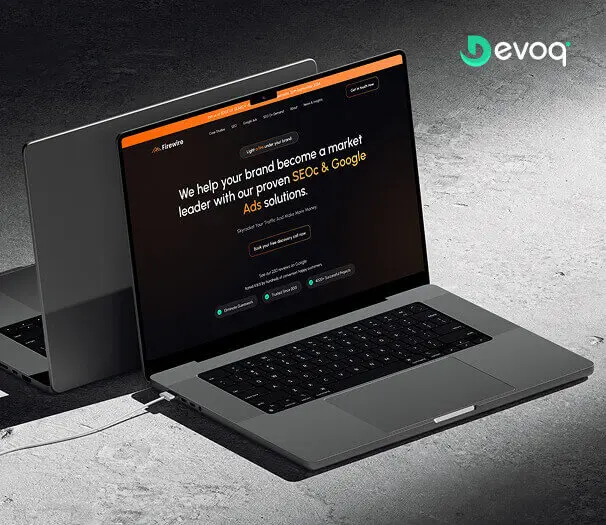
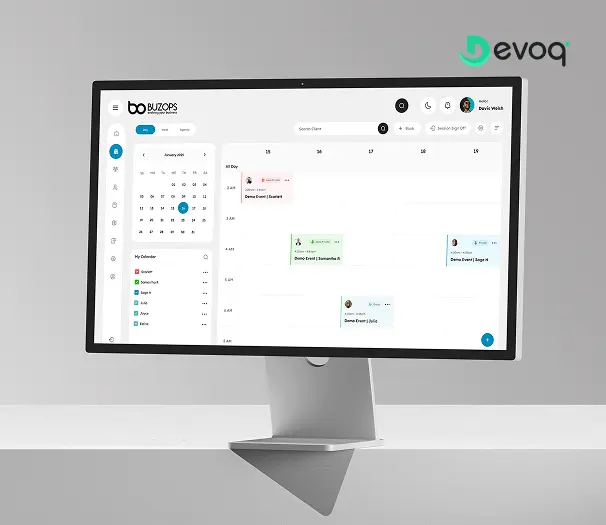
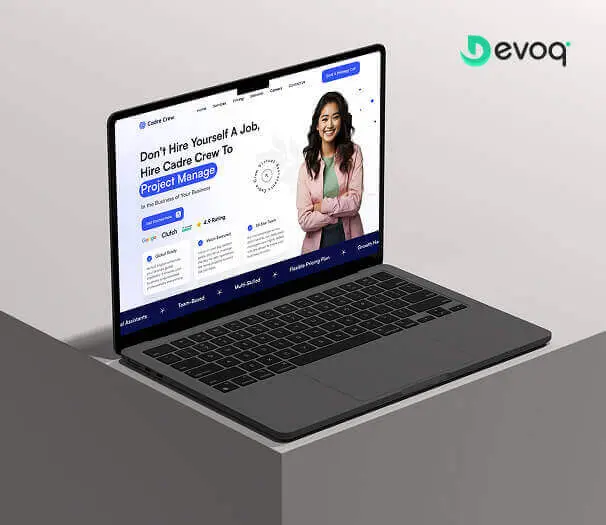
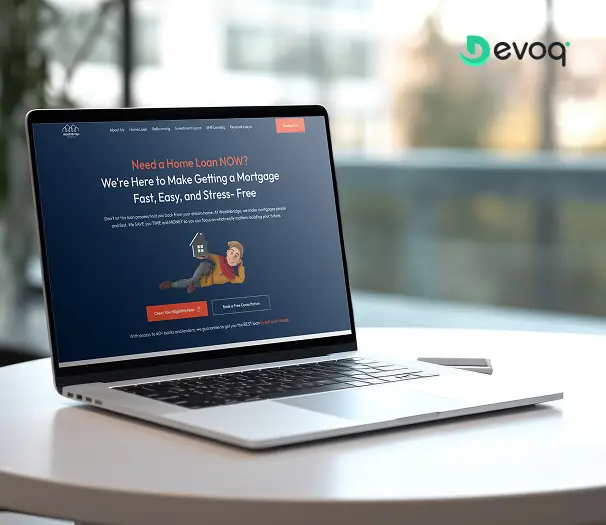
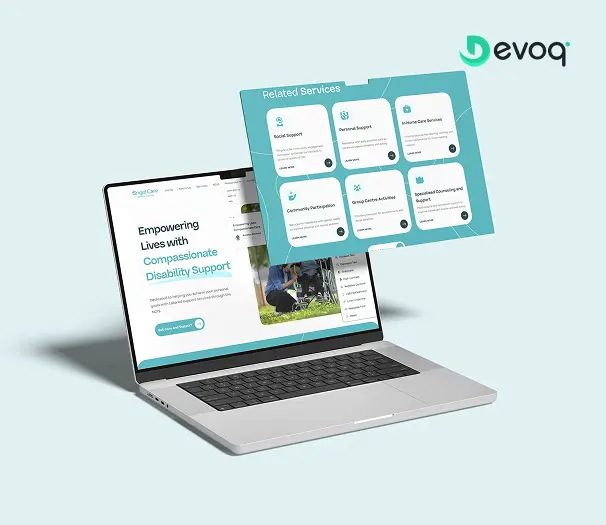
Real product delivery from the Devoq Design portfolio, including named studies such as Firewire, Buzops, Cadre Crew, Wealth Bridge and Angel Care. Android hire work builds on that same shipping discipline.
Want the story behind related case work?
We will walk named Devoq studies such as Firewire, Buzops and Angel Care, and where Android craft maps onto delivery, under NDA.
Your Dedicated TeamRoles you can hire around an Android developer
Start with one Android engineer and add partners as scope grows.
Android Developer
Owns Kotlin UI, Jetpack architecture, Play releases and vitals.
iOS Developer
When Swift App Store ownership is a parallel center.
Flutter Developer
When cross-platform Dart is the better commercial center.
React Native Developer
When JS/TS cross-platform mobile is the center instead of Kotlin.
QA partner
Device-matrix and Play vitals regression before rollouts.
Node.js / Laravel Developer
When Android is blocked on API contracts this seat consumes.
What You ReceiveDeliverables at the end of every engagement
Handover is a defined stage. Everything listed transfers to you.
Source in your Android repos
Working Kotlin code under your git hosting.
Architecture and module docs
Notes on Compose/View strategy and Gradle graph.
Play release runbooks
Track promotion and signing steps under your org.
Tests on brittle paths
Coverage where regressions hurt Play ratings.
Vitals notes
What was measured and what to watch after rollout.
Handover walkthrough
Live or recorded walkthrough plus clarification window.
Expert AdviceBest practices when you hire an Android developer
Five habits that keep Android spend pointed at Play-ready native delivery.
Trial on a real Kotlin ticket
Evaluate architecture thinking and Play awareness, not only sample Compose demos.
Define done with vitals in mind
Require mid-tier device evidence before calling features complete.
Settle keystore ownership before kickoff
Agree who owns signing and Play roles if the engagement ends.
Plan Compose coexistence early
Hybrid chaos mid-sprint is expensive. Document the migration strategy.
Weight release communication heavily
Clear track notes beat clever animations that never leave internal testing.
Things To KnowCommon mistakes to avoid
Common failure patterns when Android hiring starts for the wrong reasons.
Hiring Android when Flutter or RN is the codebase
Native Kotlin and cross-platform centers diverge. Route honestly.
Expecting one Android seat to own iOS too
Swift craft is a different hire lane.
Skipping mid-tier OEM testing
Flagship-only demos hide ANRs users will review publicly.
Ignoring Play policy until submission week
Data safety and permission forms need calendar too.
Buying generic “mobile” help for Kotlin-only APIs
Platform APIs need native Android ownership.
Support & MaintenanceWhat happens after the first Android release ships
Play launch is when vitals and policy feedback arrive. Ongoing support acts on those signals.
Regression care on critical flows
Re-check auth, payments and background work as OS versions shift.
Vitals tuning after traffic
Fix startup and ANR pain when Play consoles show real-device issues.
API level and policy response
Target SDK bumps and policy changes without tribal release knowledge.

Flexible embedded capacity
Part-time Android ownership or launch surges without restarting procurement.
Client FeedbackWhat clients say after working with us


“The client was pleased with Devoq Design's thorough understanding of each design stage. They seamlessly integrated into the internal team, providing helpful critiques and insights. They regularly communicated via phone, email, and Slack. Devoq Design's collaborative approach stood out.”
“Devoq Design has completed the design phase, and the client is very satisfied with the new layout. The service provider is responsive and incorporates the client's feedback. The client has been impressed with Devoq Design's ability to create both strategic and beautiful designs.”
“The project is still ongoing, but Devoq Design has already delivered functional components of the client's product. The team establishes a collaborative workflow through clear and constant communication, they always provide updates on the project's progress. They're also skilled at what they do.”
Frequently Asked QuestionsCommon questions about hiring Android developers
What does a dedicated Android developer at Devoq Design do?
A dedicated Android developer builds native Play Store applications in Kotlin: Compose or View UI, Jetpack architecture, Play policy hygiene and device-aware performance. At Devoq Design that engineer embeds with your product team (standups, PRs and Play Console rhythm) so Android craft ships in your repos rather than as a Flutter or React Native approximation. They are the default hire when the brief is “ship native Android,” not Dart Flutter, React Native, or iOS Swift seats.
How is this different from hiring a Flutter developer?
Flutter owns Dart cross-platform widgets for both stores. Android owns Kotlin-native Play apps and platform APIs. If your codebase is Flutter-shaped, use that lane. If it is Kotlin-native, use this one.
How is this different from hiring a React Native developer?
React Native owns JS/TS mobile with native modules. Android owns Kotlin and Play-native architecture. Sharing “mobile” in the job title does not make the hire interchangeable.
Should I hire an iOS developer instead or as well?
Hire iOS when Swift App Store ownership is required. Many products hire Android and iOS as parallel seats. We will not pretend one Kotlin engineer also ships polished Swift.
Is this the same as your mobile app development service?
No. The mobile service page sells a Devoq-delivered program. This hire page sells an embedded Android engineer on your team. Cross-link with that project-versus-seat distinction.
How quickly can an Android developer join my team?
Join speed depends on seniority and interview availability, not a fixed day-count. After discovery we shortlist, run your interviews and validate with a trial sprint on a real Android ticket.
Who owns the code, keystores and Play Console?
You do. Source code, signing assets and Play roles transfer to systems under your organization. Ownership and revoke procedures are written at kickoff.
What happens if the engineer is not the right fit?
Dedicated engagements include a trial sprint and replacement cover within the first 30 days, with managed knowledge transfer so you do not restart from lost Gradle maps.
Can you take over an existing Android codebase?
Yes. We audit modules, Compose/View mix, Gradle, vitals and Play setup, then propose a slice that improves maintainability without insisting on a rewrite fantasy on day one.
How long does a typical Android engagement take?
It depends on Compose migration depth, device matrix, feature count and decision speed. Foundation slices, expansions, hardening and ongoing capacity each sequence differently.
What is the difference between a freelancer and a dedicated Android developer?
A dedicated engineer embeds in reviews and Play continuity with architecture patterns that compound. A freelancer often delivers isolated screens without long-term ownership of signing and vitals.
Do you provide support after the first Android app launches?
Yes. Ongoing work can include vitals care, policy updates, target SDK bumps and flexible embedded capacity as your Android roadmap keeps changing.
Related ServicesExplore other ways we can help
Android developer hires sit beside mobile service programs and specialist hire lanes.
Mobile App Development Service
When you want Devoq to deliver a mobile program rather than an embedded Android seat.
ExploreHire iOS Developer
Native Swift App Store apps as a parallel platform center.
ExploreHire Flutter Developer
Cross-platform Dart when Flutter is the commercial center.
ExploreHire React Native Developer
JS/TS cross-platform mobile when RN is the center.
ExploreHire Mobile App Designer
When Material UX and mobile flows must lead engineering.
ExploreHire Node.js Developer
API back ends when Android is blocked on server contracts.
Explore
Ready to hire an Android developer for your team?
Book a free consultation. We will scope the Android work, recommend an engagement model and share matched engineer profiles.