

Hire Framer Developer Who Ships Interactive Framer Site Experiences
Where do you hire a Framer developer who ships, not just animates? Devoq Design shortlists people who have published Framer sites that other teams now edit, lets you interview them against your own backlog, and proves the fit with a paid trial sprint inside your project. That developer then owns components, breakpoints, motion, CMS and publishing. Founders and marketing leads in the US, Canada, the UK, Europe, Australia and New Zealand get live working hours with us, not an overnight queue.
 Vetted Framer production shortlist
- Trial sprint on a real Framer ticket
- 100% project ownership transfer
- NDA-backed from day one
Trusted by product teams and rated on independent review platforms





What does a Framer developer do, and when is Framer the right tool?
A Framer developer designs and publishes websites in Framer: components, breakpoints, effects and animations, CMS collections and the publish workflow that turns a design canvas into a live, hosted site. At Devoq Design that developer embeds with your design or growth lead, works in your Framer project, and leaves a site your own team can update without breaking the motion.
The craft spans translating Figma or brand systems into Framer components, shaping responsive layouts that survive breakpoints, building interactions that feel intentional rather than noisy, modeling Framer CMS collections when content velocity matters, wiring forms and approved embeds, and documenting how teammates should update pages without breaking motion. They join standups, work in your Framer project under roles you control, and hand back a site marketing can operate, so you get Framer site craft rather than a portfolio animation that only the original author can reopen safely.
Key takeaways
Framer developer at Devoq Design means Framer canvas sites and interactive marketing experiences, not Webflow Designer/CMS estates, not WordPress/Elementor, not Unbounce PPC ops, and not React SPA app UI.
A dedicated engineer embeds in your Framer project and launch rhythm; a freelance “pretty motion dump” typically leaves components no one else can extend.
Webflow, WordPress, Unbounce, HTML/CSS and design ownership each have their own hire lane when that is truly the center.
The three practical hiring routes are a dedicated Framer developer, a small experience pod (Framer plus design), or a defined-scope Framer rebuild against a written brief.
Clarity on NDA, IP assignment and who owns the Framer project, custom domain and billing should be settled in writing before launch.

 Business Challenges
The framer developer bottlenecks teams bring us
Most brand leads do not search to hire a Framer developer for sport. They start with motion that breaks on mobile, components duplicated across pages, CMS fields marketing fears, or a Webflow/WordPress site that cannot express the interaction fidelity the brand wants. Looking usually begins after a launch that only one designer can edit, after performance dips under effects, or after leadership asks why every micro-interaction still needs the original freelancer. These are the six we hear most often.

Motion that only works on one breakpoint
Desktop scroll stories collapse on phone; hover-only cues hide critical content from touch users.
How we resolve it
Restage interactions with mobile-first rules, reduce motion where earned, and QA across the breakpoints your traffic actually uses.
Component chaos after freelancers
Near-duplicate components and unnamed layers make every redesign denser and riskier.
How we resolve it
Consolidate a light component system, deprecate dead variants, and document naming so the next page does not invent parallel styles.
CMS that marketing is afraid to touch
Collections exist, but fields are opaque and list layouts break when items wrap.
How we resolve it
Rebuild Framer CMS models with publisher-friendly fields and record update walkthroughs before handoff.
Performance punished by effects
Heavy media and overlapping animations tank Largest Contentful Paint. Growth notices weeks later.
How we resolve it
Budget motion and media against conversion paths; cut decorative weight that does not earn its cost.
Framer forced into product-app work
Leadership wants auth dashboards and complex app state inside Framer when React is the real center.
How we resolve it
Keep Framer on marketing and brand experience surfaces; route app UI to React or other engineering hire lanes.
Wrong platform hire for the bottleneck
Teams buy Framer when they need Webflow CMS, WordPress, Unbounce PPC pages, or hand-coded HTML/CSS.
How we resolve it
Route honestly across platform hire lanes. Stretching Framer into the wrong center wastes launch calendar.
Why a Framer Engineering HireWhy teams hire a Framer developer before another generic site seat
Generalist web help matters when the stack is mixed. When brand needs a high-fidelity interactive Framer site with components and publish workflows, a dedicated Framer developer is usually the calmer path. This section is about that hiring shape; it is not a claim that Framer replaces product engineering.
Interaction fidelity compounds
Success is intentional motion and editable structure. Mystery canvas tricks do not survive the next campaign week.
Right-sized for teams already on Framer
Most briefs need someone who knows Framer components, CMS and Publishing workflows you already pay for.
Design-to-publish without a second rewrite
Framer shines when brand design and site implementation live close together. A tourist fighting the canvas slows both.
Routes into Webflow, WordPress or React when Framer is wrong
When the center becomes Webflow, WordPress, Unbounce or React apps, we point you to those lanes.
Complements website development services
If you need a Devoq-delivered build program, service pages cover that shape. Hire is the embedded Framer seat on your team.
Continuity across brand seasons
Embedded Framer engineers carry component systems into the next quarter. One-off freelancers expire after invoice.
 Why Devoq Design
Why businesses hire Framer developers from us
When you hire Framer developers from Devoq Design, you get canvas-to-production owners who ship motion-rich marketing sites inside Framer’s constraints, not generic “web” freelancers who fight the tool. Delivery stays coordinated with your marketing and design leads across Ahmedabad, Ajax and Sacramento.
Builders who ship editable Framer sites
Shortlists favor people who have lived with component handoffs, interaction QA and marketing updates, not only motion demos.
framer developer trial sprints measured in days
Discovery call, matched profiles, your interviews, then a trial sprint on a real Framer ticket in your project.
Same studio when adjacent craft must move
When brand or UX must move with Framer implementation, the same studio can extend into UI/UX or Figma under coherent delivery.
Capacity that tracks brand seasons
Start with one Framer developer; add design or CMS specialists when scope genuinely requires it.
Timezone overlap stakeholders can feel
Meaningful timezone overlap and written updates brand stakeholders can see.
NDA and IP that keep ownership clear
Mutual NDA, IP assignment and clear ownership of the Framer project under your organization.
Have Framer work that needs an embedded owner?
Send a short brief: current Framer maturity, CMS needs, motion ambitions and who publishes content day to day. We will come back with matched Framer developer profiles.
 Services Included
What hiring a Framer developer covers
Whether you engage a single Framer developer or a small pod, the breadth below is available from day one. A motion-heavy rebuild and a CMS content model cleanup are still different calendars.

Framer discovery and experience framing
Workshops that turn “make it feel premium” into page inventory, component needs and a first publishable slice.

Component systems in Framer
Reusable components and variants so campaigns stop inventing parallel styles.

Interactions and motion craft
Scroll, hover and page transitions scoped to brand stories, with mobile and reduced-motion checks.

Framer CMS collections
Models for blogs, case studies or resources publishers can extend safely when CMS is in scope.

Responsive QA across breakpoints
Layouts and motion that survive the phone and tablet traffic you actually have.

SEO field hygiene in Framer
Title/meta patterns, Open Graph and clean URL structure.

Forms and approved embeds
Lead forms and scripts kept inside governance marketing accepts.

Publish training and governance
Walkthroughs so teammates know what they can change without breaking components.

Migration into Framer
Content and URL mapping when leaving another marketing stack, without inventing rewrite fantasies.
Need Webflow CMS, WordPress, Unbounce or hand-coded HTML/CSS instead? Use those hire lanes. Prefer a Devoq-delivered website program? Start from our website development service. Website development (service), Webflow sites (hire), Figma libraries (hire) and React.js SPA UI (hire) developers.
Where Framer Sites LandSurfaces a Framer developer typically owns
This lane maps to brand and marketing places Framer is strong. It is not a React authenticated app lane and not an Unbounce PPC ops center.
Brand and product marketing sites
Positioning and story pages with intentional motion and editable components.
Launch and campaign microsites
Time-boxed experiences that must feel premium without bloating a product app.
CMS-driven stories (when scoped)
Collections for articles, cases and resources marketers can extend.
Portfolio and proof libraries
Templated story pages with consistent fields and interaction patterns.
Event and waitlist experiences
High-visibility pages where motion supports conversion, not noise.
Brand rebuilds into Framer
Migrations from static HTML or other builders when Framer interaction craft is the goal.
Framer Delivery StackThe tools our Framer developers work with
We pick tools that fit your Framer project and keep ownership under your organization.
Typical engagements use Framer components and variants, interactions scoped to real brand stories, Framer CMS when content velocity is in scope, Figma handoff when design leads, analytics and form tools you already pay for, and Publishing workflows your team operates. Exact add-ons follow your constraints, not a marketing badge list.
When tickets, brand libraries and domains already live in your accounts, we adopt yours.
- Framer canvas
- Components / variants
- Breakpoints
- Publishing workflows
- Interactions
- Scroll effects
- Page transitions
- Reduced-motion checks
- Framer CMS (as used)
- Meta / OG fields
- Redirect plans
- Form embeds
- Breakpoint QA
- Accessibility checks
- Performance passes
- Publish training notes
- Framer project roles
- Figma handoff
- Slack / Teams
- Jira / Asana / Notion
How We WorkOur Framer delivery process
We work in short publishable cycles: components first, then page stories, then interaction polish, with publish rehearsals before launch.
- 01
Discovery and experience framing
Page inventory, component needs, CMS needs and migration constraints documented.
- 02
Foundation components
Component system, global chrome and one vertical page template wired end to end.
- 03
Story and CMS build-out
Remaining pages, collections and campaign surfaces under your review habits.
- 04
Harden and train
Breakpoint QA, SEO fields, motion budgeting and publish walkthroughs.
- 05
Iterate from brand feedback
Analytics and editor friction feed the next component improvements.
Hiring ProcessHow to hire a Framer developer: the five steps we run
Hiring a Framer developer takes five steps: a discovery call about the site and its motion ambitions, a matched shortlist, interviews you run, a paid trial sprint inside your Framer project, then the engagement shape you choose. Devoq Design sources and vets; you decide. Nothing is signed for the long term until you have seen the person work in your own project.
- 01
01
Discovery call
You describe the pages, the motion you want, whether Framer CMS is in play and who publishes. Devoq Design says plainly if the brief is really Webflow, WordPress, Unbounce or a React app.
- 02
02
Matched shortlist
Devoq Design sends Framer developers whose published sites match your complexity, each with notes on component discipline and motion restraint. You choose who to interview.
- 03
03
Your interviews
You lead the conversations. We suggest a live problem from your site, a broken breakpoint or a slow hero, rather than a portfolio scroll, so the answers are about your project.
- 04
04
Trial sprint
Paid work on an agreed ticket inside your Framer project, reviewed to your standards. You see how the person structures components and communicates before committing.
- 05
05
Embed and expand
On a yes, the developer continues under the model you picked, with project access, NDA and IP already written. Add a designer or a second developer later without re-onboarding.
Project TimelineHow Framer work usually sequences
Calendars depend on design fidelity, content readiness and decision speed. These shapes are planning patterns, not guaranteed day-counts.
Foundation components
Component system, chrome and one critical page published to a preview URL.
Story and CMS expansion
Remaining pages and collections once publishers can rehearse edits.
Motion and SEO hardening
Interaction QA, meta fields and redirect plans before a major cutover.
Ongoing embedded Framer capacity
Steady support across brand seasons without restarting vendor onboarding.
We scope after discovery and revise at review boundaries rather than promising a fixed ship date from a sales call.
Engagement ModelsWays to hire Framer developers from Devoq Design
Pick the commercial shape that matches how decisions get made. All models share NDA, IP assignment and clear ownership of the Framer project.
Dedicated Framer developer
One embedded engineer on your Framer roadmap, owning Framer tickets end to end.
- Full-time capacity on your backlog
- Works in your repos and tools
- Trial sprint before commitment
- Replacement cover if fit fails early
Best for
Teams with a continuous Framer / brand-site backlog
Discuss this modelExperience site pod
Framer engineer plus design when brand motion and implementation must move together.
- Shared delivery cadence
- Complementary roles in one rhythm
- Escalation into adjacent seats when blocked
- Single commercial relationship
Best for
Rebuilds where interaction fidelity and editability must ship together
Discuss this modelDefined-scope Framer slice
A written brief, milestone reviews and a clear done definition when you are not ready for an open-ended seat.
- Fixed outcomes agreed up front
- Handoff docs included
- Option to convert to dedicated
- Good for first cleanup milestones
Best for
First Framer cleanup or a board-deadline launch
Discuss this model
Compare OptionsDedicated Framer developer vs other ways to get experience sites built
Each path can be valid. Differences show up in component continuity, motion craft and ownership of the Framer project.
Still weighing Framer versus Webflow or WordPress?
Bring the awkward version: Framer experience site, Webflow CMS, WordPress estate, Unbounce PPC, or React app UI. You will talk to a technical lead who will say which lane fits.
Quality, Security & TransparencyHow we keep Framer work safe enough to ship
Experience-site failures show up as broken campaigns and uneditable canvases. Baseline practices on dedicated engagements follow.

Review before publish
Preview checks on breakpoints, forms and motion before production publish.
Project access under your org
Roles and billing live in client-controlled Framer accounts with revoke on rotation.

NDA and IP assignment up front
Mutual NDA before deep discovery. Assets and documentation assign to you.
Transparent status
Written updates covering what published, what is blocked on content, and what training remains.
Accessible defaults
Focus order, alt text and reduced-motion choices documented for QA.
Honest lane routing
If the work is really Webflow, WordPress, Unbounce or React app UI, we say so before you pay for the wrong Framer seat.
Industries We ServeWhere Framer developer hires usually land
Devoq Design works across industries already on our site. Framer marketing sites inherit the same product discipline; sector rules change compliance copy, not the need for editable interactive structure.
SaaS brand sites
Product stories where motion supports clarity and CMS proof libraries update often.
Agency and studio portfolios
Case stories with intentional interaction patterns.

Consumer brand launches
Campaign microsites that must feel premium under a fixed launch window.
Education and course marketing
Program pages and resource libraries with enrollment forms.
Event and conference experiences
High-visibility pages where pacing and motion matter.

Healthcare-adjacent content sites
Information hubs with stricter claim review. We invent no clinical claims.
Global DeliveryLive motion reviews inside your working day
Motion review is a live activity: you cannot sign off a hero animation from a screenshot. So Devoq Design keeps Framer developers in Ahmedabad, Ajax (Ontario) and Sacramento (California) and plans each engagement around the hours you share with at least one of them.
US and Canada
Pacific hours from Sacramento and Eastern hours from Ajax cover the North American day, so a launch in Austin or Toronto has someone on the call, not an email waiting overnight.
UK and Europe
When London and Amsterdam start work, Ahmedabad is already mid-afternoon, which gives European clients a daily window for live motion reviews before their lunch break.
Australia and New Zealand
Melbourne and Wellington afternoons line up with the Ahmedabad morning. Brand teams in Australia and New Zealand review the day's publish while it is still their working day.
Between the overlaps
Preview links, recorded walkthroughs of each interaction and a decision log carry the work across the hours nobody shares, so nothing about the site is a surprise at the next call.
Terms, NDA and ownership of the Framer project are settled once, up front, so scaling from one Framer developer to a small experience pod later is a scope change, not a new contract negotiation.
Case Study HighlightsDiscover Our Case Studies
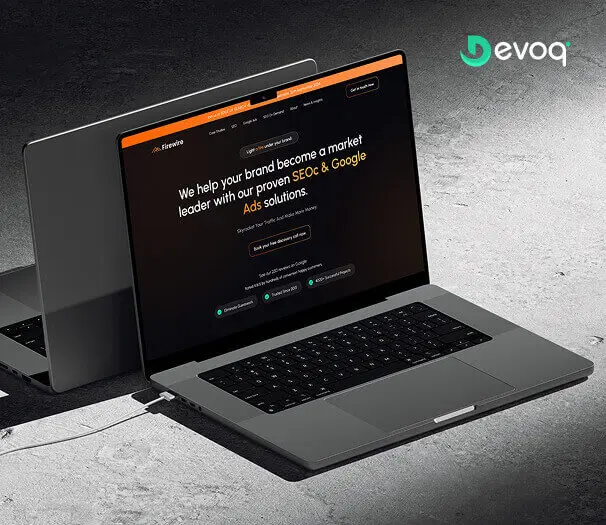
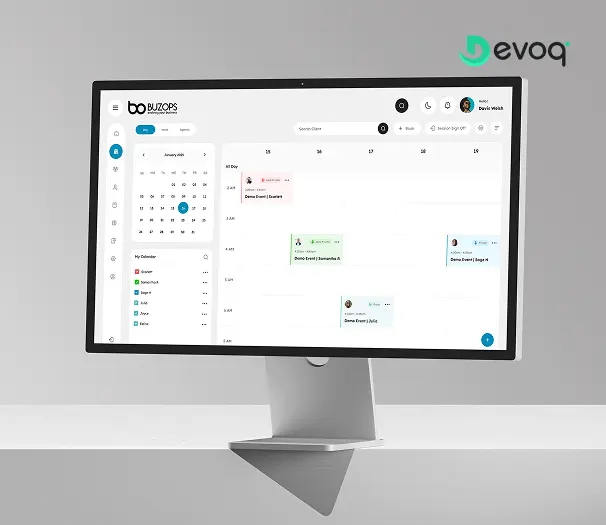
Real product delivery from the Devoq Design portfolio, including named studies such as Firewire, Buzops, Cadre Crew, Wealth Bridge and Angel Care. Framer hire work builds on that same shipping discipline.
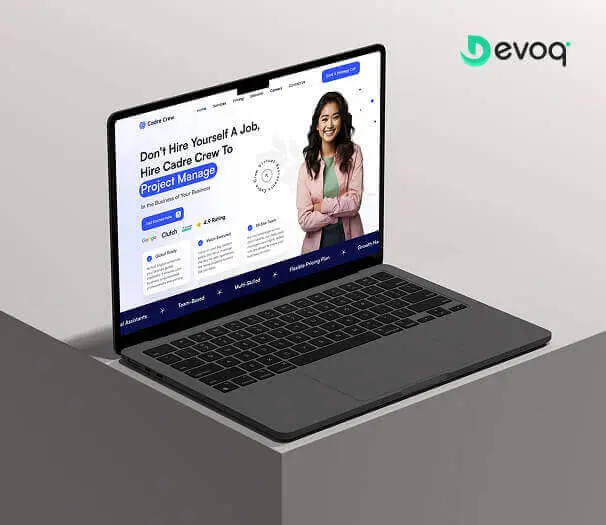
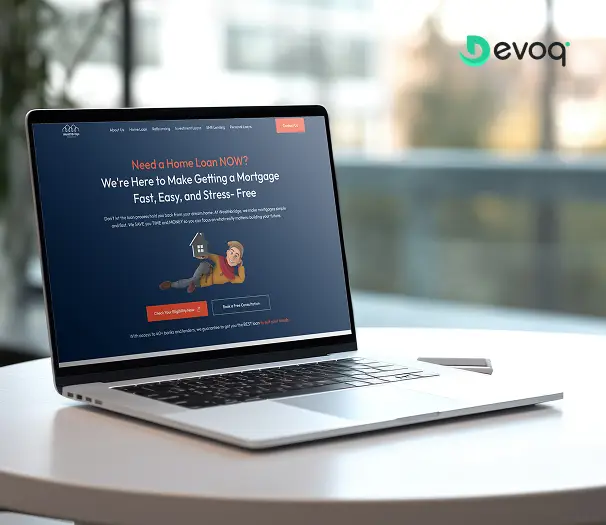
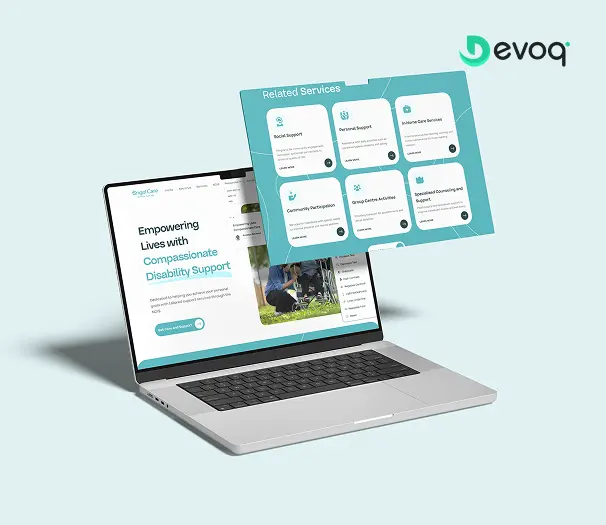
Want the story behind related case work?
We will walk named Devoq studies such as Firewire, Buzops and Wealth Bridge, and where interactive site craft maps onto that delivery, under NDA.
Not ready to hire? Get a free UX audit firstYour Dedicated TeamRoles you can hire around a Framer developer
Start with one Framer engineer and add partners as scope grows.
Framer Developer
Owns Framer structure, components, interactions and publish handoff.
Webflow Developer
When the marketing center is Webflow Designer/CMS instead of Framer.
Figma Designer
When Figma libraries are the source of truth for brand components.
UI/UX Designer
When interface and content UX must lead what Framer implements.

Unbounce Developer
When PPC variant velocity is the bottleneck, not Framer brand sites.
React.js Developer
When product SPA UI needs a code-first engineering seat.
What You ReceiveDeliverables at the end of every engagement
Handover is a defined stage of the work. Everything listed here transfers to you regardless of how the engagement concludes.
Framer project under your org
Working Framer site structure and components in your account.
Component documentation
Notes on variants and when to extend versus fork.
Publish runbooks
Steps for preview, production publish and rollback notes.
CMS update guides (when used)
What publishers can change without breaking layouts.
Motion and performance notes
What effects remain and which pages to watch.
Handover walkthrough
A live or recorded walkthrough plus a defined window for clarification.
Expert AdviceBest practices when you hire a Framer developer
Treat Framer hiring as owning production Framer sites with motion and CMS constraints respected, not forcing Framer to pretend it is a custom React app.
Trial on a real Framer ticket
Give candidates a genuine component or interaction task. Evaluate structure and collaboration, not only portfolio polish.
Define done as editable
Require component systems, publish checks and training notes so you do not re-buy mystery canvases.
Settle project and domain access before kickoff
Agree who owns Framer billing and domains if the engagement ends, before the first production publish.
Invite marketers into publish reviews
Publishers should rehearse content edits early, not after launch day.
Weight communication as heavily as clever motion
Clear preview notes and early performance blockers beat brilliance that disappears between demos.
Things To KnowCommon mistakes to avoid
Failure patterns we see when Framer work arrives mid-flight for the wrong reasons.
Hiring Framer when Webflow CMS is the real center
Different platforms, different editor stories. Route honestly.
Expecting one Framer seat to own React SPA too
Marketing experiences and product UI often co-occur but are different centers.
Skipping mobile motion QA for launch speed
Desktop-only interactions punish the traffic you already buy.
Confusing Framer with Unbounce PPC ops
Brand experiences and paid landing variant ops are different lanes.
Buying motion for every section
Decorative effects without conversion intent slow pages and clutter QA.
Support & MaintenanceWhat happens after the first Framer launch ships
Launch is when real devices find edge cases in motion and publishing. Ongoing support acts on that feedback.
Regression care on critical pages
Re-check forms, breakpoints and high-traffic stories.
Component lane continuity
Keep variants and naming current as brand seasons change.
Performance tuning
Fix media and effect debt when metrics climb.

Flexible embedded capacity
Keep a Framer developer part-time or surge for a launch window without restarting vendor onboarding.
Client FeedbackWhat clients say after working with us


“The client was pleased with Devoq Design's thorough understanding of each design stage. They seamlessly integrated into the internal team, providing helpful critiques and insights. They regularly communicated via phone, email, and Slack. Devoq Design's collaborative approach stood out.”
“Devoq Design has completed the design phase, and the client is very satisfied with the new layout. The service provider is responsive and incorporates the client's feedback. The client has been impressed with Devoq Design's ability to create both strategic and beautiful designs.”
“The project is still ongoing, but Devoq Design has already delivered functional components of the client's product. The team establishes a collaborative workflow through clear and constant communication, they always provide updates on the project's progress. They're also skilled at what they do.”
Frequently Asked QuestionsCommon questions about hiring Framer developers
Is Framer the best design tool for a small business?
For a small business whose main need is a marketing site, Framer is a strong choice: one tool designs, hosts and publishes the site, effects and animations are built in, and a non-developer can change copy after launch. It is not the right tool for product interfaces or for a content library with complex relationships, where Figma and Webflow respectively do better. Fit decides, not popularity.
Is Framer better than Figma?
They do different jobs. Figma is where interfaces are designed, reviewed and handed to engineers; Framer is where a marketing site is designed and then published as the live site, with hosting, CMS and animation included. Framer is not owned by Figma, and the two are not interchangeable. Most teams we work with design the product in Figma and publish the marketing site in Framer or Webflow.
When should I use Framer instead of Figma?
Use Framer when the deliverable is the live website itself: a landing page, a launch site or a brand site that needs scroll effects, hover states and page transitions without a developer in the loop. Stay in Figma when the deliverable is a design that someone else will build, such as a product UI, a mobile app or a design system. Many sites start in Figma and finish in Framer.
How does Framer compare when product designers need to animate without a motion specialist?
Well, within limits. Framer's effects, scroll transforms and component variants let a product designer build credible motion from the canvas, with no code and no After Effects handoff. Where it strains is motion that must stay consistent across dozens of components: that needs someone to define a small motion system, timing, easing and distance rules, and build it into shared components once. That is what our Framer developers do.
What are the best alternatives to Framer if the marketing site must stay on brand with the product?
Webflow, if the brand system is expressed as tokens and the site needs a serious CMS; a coded site on Next.js or Astro that shares the product's actual component library, if engineering can own it; or Framer itself with code components, which let you drop real React components from the product into the canvas. The choice turns on who maintains the site after launch, not on which tool is newest.
Where can I hire Framer designers or developers?
Framer's own expert directory, freelance marketplaces, and studios that embed a developer in your team. Listings and marketplaces give you names fast but leave the vetting to you. Devoq Design does the vetting: a shortlist of people whose published Framer sites we have checked, your interviews, and a paid trial sprint inside your project. The same person handles both the design and the publish side.
How popular is Framer compared with other design tools?
We do not publish market-share numbers, and you should be wary of anyone who quotes them without a source. What we see across the teams we embed with: the product is designed in Figma, and the marketing site is built in Framer or Webflow, with Framer chosen more often when motion and speed of iteration matter and Webflow when the CMS does. Popularity is a weak reason to pick either; the maintenance plan is a strong one.
Can a UK, European or Australian team work with you on Framer during their own hours?
Yes. UK and European teams get the Ahmedabad afternoon, which is their morning, for live motion reviews. Australian and New Zealand teams get the Ahmedabad morning, their afternoon. US and Canadian teams work with Sacramento and Ajax hours directly. Outside those windows, every change ships with a preview link and a short recorded walkthrough, so sign-off never waits on a meeting.
How is this different from hiring a Webflow developer?
Both build marketing sites, but the platforms reward different habits. A Webflow developer thinks in class systems, CMS collections and Editor roles; a Framer developer thinks in components, variants, breakpoints and effects on a canvas that behaves like a design tool. If your system of record is Webflow, hire that lane. If the brief is a motion-rich site a designer can keep editing, hire here.
Can you take over an existing Framer project?
Yes. We audit components, interactions, CMS models and publish hygiene first, then propose the smallest slice that makes the site maintainable: usually consolidating duplicate components and fixing the breakpoints that break on phones. A full rebuild is only recommended when the canvas cannot be rescued. The project stays in your account throughout, and the audit notes are yours whether or not you continue.
Who owns the Framer project and domains?
You do. The Framer project, its hosting plan, the custom domain and billing live under your organization, and our developer is a collaborator you can remove at any time. Documentation and component notes transfer with the work. We write the ownership and revoke steps into the agreement before the first publish, so there is nothing to untangle if you ever change vendors.
What happens if the developer is not the right fit?
Every dedicated engagement starts with a paid trial sprint, so a poor fit usually shows before you commit. If it shows later, replacement cover applies within the first 30 days, and the incoming developer picks up documented components, publish runbooks and the decision log rather than a mystery canvas. You can also simply stop; the project and everything in it are already yours.
Should I hire a React.js developer instead?
Hire React when the work is product UI: authenticated screens, app state, data-heavy views. Hire Framer when the work is the marketing site and its motion. The line blurs only at the edge, where Framer code components let a React component from the product appear on the marketing site; that is a good use of both, not a reason to give one engineer both jobs.
Related ServicesExplore other ways we can help
Framer developer hires sit beside website service programs and specialist hire lanes.
Website Development Service
When you want Devoq to deliver a website program as a service engagement rather than an embedded Framer seat.
ExploreHire Webflow Developer
Webflow CMS and Designer when Framer is not the system of record.
ExploreHire Figma Designer
Libraries and Dev Mode when Figma is the brand source of truth.
ExploreHire Unbounce Developer
PPC landing variants when paid ops is the bottleneck.
ExploreHire HTML/CSS Designer
Hand-coded front-end without a Framer canvas when that is the center.
ExploreHire React.js Developer
SPA UI when product application UI needs code-first engineering.
Explore
Ready to hire a Framer developer for your team?
Book a free consultation. We will scope the Framer work, recommend an engagement model and share matched profiles. No obligation and no pressure script.

