

Hire AI SaaS MVP Developer Who Ships a Tenant-Ready First Slice
Bring on a vetted AI SaaS MVP developer from Devoq Design who turns your AI idea into something founders can put in front of paying users: sign-up, tenant isolation, a billing-aware AI feature that maps to why someone would subscribe, and enough admin and observability to iterate after launch. Embedded in your standups and repos, accountable to a thin vertical slice under review, so you validate an AI SaaS without staffing a hyperscale platform team or a research lab that never ships onboarding.
 Vetted MVP engineering shortlist
- Trial sprint on a real SaaS slice
- 100% code and config ownership
- NDA-backed from day one
Trusted by product teams and rated on independent review platforms





What does a dedicated AI SaaS MVP developer actually do?
A dedicated AI SaaS MVP developer builds the first shippable vertical slice of your AI product: multi-tenant auth, billing hooks, one tenant-aware AI workflow and an admin path your team can operate. At Devoq Design that engineer embeds with your founder or CTO so you can onboard real users and learn from paid usage, not run an endless prototype.
The craft spans choosing the thinnest AI feature that still justifies a subscription, wiring auth and tenant boundaries before model traffic, connecting billing or usage gates to the workflow users pay for, landing one end-to-end path a founder can demo to design partners, and leaving logs and admin tools so the next iteration does not start from Slack screenshots. They join standups, open PRs in your repo and document how tenants, keys and prompts are owned, so you get a shippable MVP seat rather than a Colab notebook, a hyperscale platform quote, or a Copilot-only coder who never touches billing.
Key takeaways
AI SaaS MVP developer at Devoq Design means a tenant-ready first slice with one AI workflow tied to why someone pays, not a general AI engineer for a mature product backlog.
A dedicated MVP engineer embeds in your repos and review rhythm; a freelance prototype handoff typically leaves auth, billing and tenant data outside your systems.
Mature product AI, chatbot channels, SaaS product design for activation metrics and AI-assisted coding velocity each have their own hire lane when that is truly the center.
The three practical hiring routes are a dedicated AI SaaS MVP developer, a small MVP pod (eng plus design), or a defined-scope vertical slice against a written brief.
Clarity on NDA, IP assignment, tenant data handling and who owns provider accounts should be settled in writing before the first external user signs up.

 Business Challenges
The problems founders bring us before they hire
Most founders do not start by searching to hire an AI SaaS MVP developer for sport. They start with a symptom: a demo that never gained sign-ups, auth and billing still on a whiteboard, AI features that do not map to a subscription reason, or a hiring post that attracts platform architects when they only need a vertical slice. Looking usually begins after a design partner asks for login, after Stripe integration stalls for the third month, or after an investor wants proof someone would pay. These are the six we hear most often, and how each one gets resolved without pretending every AI SaaS needs hyperscale infrastructure on day one.

Endless prototype with no onboarding path
A founder proves the AI idea in a demo environment. There is no sign-up, no tenant boundary, no billing hook, and nobody can answer what happens when two companies use it at once.
How we resolve it
Define the thinnest slice that still justifies paying: auth, tenant isolation, one AI workflow and a billing or usage gate. Ship that path behind a flag, onboard design partners, and defer platform extras until usage proves the bet.
Auth and tenant isolation treated as "later"
Model calls work in a single-user sandbox. The moment a second customer appears, data leaks, configs collide and support cannot tell which tenant broke.
How we resolve it
Land multi-tenant basics before marketing promises scale. Scope tenant IDs into prompts, corpora and logs from the first vertical slice so MVP discipline survives the first paying cohort.
AI feature not tied to why someone would subscribe
The product demos well but the AI path feels like a sidebar. Finance cannot explain what plan unlocks which behavior, and churn interviews say "nice toy."
How we resolve it
Work backward from the purchase reason: one AI workflow that maps to a plan or meter, visible in onboarding and admin. If the AI job does not justify billing, shrink scope until it does or pivot the wedge.
Billing integration stuck in prototype limbo
Stripe or usage metering lives in a founder spreadsheet. Trials never convert because entitlement logic was never wired to the AI feature users actually touch.
How we resolve it
Connect billing hooks to the AI surface early, even if plans are simple. Founders need to learn from paid usage, not only from free chats that never hit a card form.
Hiring lag for a platform team you do not need yet
Job posts ask for Kubernetes, multi-region and a research PhD when the real need is a shippable MVP a founder can put in front of ten design partners next month.
How we resolve it
Shortlist engineers who have shipped zero-to-one SaaS slices with auth, billing and at least one AI workflow. Validate on a real tenant path in your repo, then add platform depth only when usage demands it.
Wrong hire lane for the real bottleneck
Teams buy "AI SaaS MVP developer" when they need mature product AI in an existing app, a chatbot channel, activation UX design, or faster general coding with assistants.
How we resolve it
Route honestly: AI developer, chatbot, SaaS product designer and AI-assisted developer lanes exist for those centers. Stretching one MVP seat into the wrong problem burns runway before you learn anything from users.
Why an AI SaaS MVP HireWhy founders hire an MVP developer before a platform program
Platform teams and research labs matter when scale or science is the product. When the problem is "I need an AI SaaS someone can sign up for and pay for," a dedicated AI SaaS MVP developer is usually the calmest path: tenant-ready scaffold, billing-aware AI workflow, and room to escalate later. This section is about that hiring shape; it is not a claim that every AI company should skip platform investment forever.
Vertical slice over architecture theater
Success is a product a founder can onboard users into: sign-up, tenant boundary, one AI job and admin visibility. Diagrams for year-three scale may inform choices; they are not the deliverable your runway can schedule against this quarter.
Right-sized for validation, not hyperscale day one
Most AI SaaS ideas need proof that someone will pay for a specific workflow. An MVP engineer who ships auth, billing hooks and tenant-aware AI beats a platform architect who delivers a roadmap slide deck beside a broken demo.
Billing and AI wired together from the start
MVP shipping includes knowing which plan unlocks which AI behavior and what usage you can meter. Without that, every launch is a free experiment that teaches nothing about willingness to pay.
Room to escalate into specialist AI lanes
When the center becomes mature product AI, multi-channel chatbots, activation UX or AI-assisted coding on a non-AI backlog, we point you to the matching hire lane instead of stretching this MVP role.
Complements AI SaaS service programs
If you want Devoq to deliver a full AI SaaS platform as a packaged project, our AI SaaS platform development service covers that shape. Hire is the embedded seat when you want capacity inside your sprint board, not a fixed SOW.
Continuity that compounds into product two
Embedded MVP engineers carry tenant patterns, billing hooks and admin runbooks into the next slice. One-off prototype workshops expire; a dedicated owner leaves systems your team can extend after the first cohort.
 Why Devoq Design
Why founders hire AI SaaS MVP developers from us
Devoq Design is a design-led studio: 357+ projects, 196+ clients, 34+ people, 6+ years shipping digital products, rated 5.0 on Clutch. MVP engineers sit with product and design, not in a parallel lab that throws demos over a wall. Offices in Ahmedabad, Ajax (Ontario) and Sacramento (California) keep founder collaboration practical across regions.
Engineers who ship zero-to-one SaaS slices
We place people who have landed auth, billing and a core feature in production, not only people who have built internal tools or fine-tuned models in isolation. Shortlists favor those who can defend tenant and billing trade-offs with your CTO in a working session.
Onboarding measured in days, not quarters
Discovery call, matched profiles, your interviews, then a trial sprint on a real MVP ticket in your repo. No long notice-period gap while your runway waits on a platform unicorn you have not found yet.
Design and build partners in one studio
When onboarding, activation or trust UX must move with the MVP slice, the same studio can extend into SaaS product design or UI/UX under coherent delivery. Intent does not die between firms that have never shared a stand-up.
Capacity that tracks your validation roadmap
Start with one MVP developer; add design depth, mature AI engineering or platform focus when scope genuinely requires it. Composition can flex without restarting procurement each time you discover the next painful path.
Real overlap with your working day
Meaningful timezone overlap and written updates your whole team can see, not a single account manager relaying engineering decisions second-hand. Reviews happen when your stakeholders can attend.
Contracts that protect the client
Mutual NDA, IP assignment and clear ownership of code, prompts, configs and documentation. Artefacts and cloud resources live under your accounts, with transfer expectations written before work begins.
Have an AI SaaS idea that needs a shippable slice?
Send a short brief: the workflow users would pay for, current prototype state, and whether auth or billing exists today. We will come back with matched MVP developer profiles and a clear recommendation on dedicated versus scoped work.
 Services Included
What hiring an AI SaaS MVP developer covers
Whether you engage a single MVP developer or a small pod, the breadth below is available from day one. Scope still matters: a retrieval-backed assistant SaaS and a light classification API with billing are different calendars, but you will not discover mid-sprint that tenant isolation was "extra."

MVP discovery and wedge framing
Workshops that turn "AI SaaS idea" into the thinnest paid workflow, tenant assumptions, billing shape and a first slice small enough to learn from without freezing the roadmap.

Multi-tenant auth and onboarding
Sign-up, session handling and tenant boundaries wired before model traffic, with roles scoped so admin and end-user paths stay separable at MVP stage.

Billing and entitlement hooks
Connect Stripe or agreed metering to the AI feature users pay for, with plan or usage gates your finance team can explain without a spreadsheet beside the product.

Core tenant-aware AI workflow
One end-to-end AI path scoped per tenant: prompts, corpora and logs isolated so a second customer does not inherit the first customer data by accident.

Admin and operator surfaces
Minimal admin to inspect tenants, usage, failures and config changes without SSH and prayer. Enough for founders and early CS to operate the MVP.

Observability for iteration
Tracing, cost signals and failure logs so the next slice is informed by real usage, not only by demo applause in a founder update.

Security and tenant data hygiene
Minimize cross-tenant leakage, respect retention rules you set, and keep secrets in your environment. Practices match your compliance posture without inventing certifications we do not claim.

Prompt and config hygiene in version control
Prompts, system instructions and feature flags reviewed like code, with rollback paths when an experiment fails for a paying tenant.

Handoff runbooks for your team
Operating notes for onboarding, billing edge cases, model switches and how to extend the MVP so the next engineer is not reverse-engineering Slack history.
Need a narrower center? Mature product AI, chatbot channels, SaaS activation design and AI-assisted coding velocity each have their own hire lane. Prefer a Devoq-delivered platform project instead of a seat? Start from our AI SaaS platform development service and we will say which shape fits. AI agent developer (hire), Vibe coder (hire), AI SaaS platform (service), Mature product AI (hire), SaaS activation design (hire) and AI-assisted coding (hire) developers.
MVP ModulesThe modules an AI SaaS MVP developer typically lands first
This lane maps to the scaffold pieces a founder needs before hyperscale talk earns its keep. It is not a list of model types, not a marketing site program, and not mature product AI surfaces inside a ten-year-old codebase. Buyers should self-select if their need lives in one of these MVP modules.
Auth and tenant onboarding
Sign-up, login, password reset and tenant creation flows so design partners and early customers enter a real product, not a shared demo login.
Billing and plan entitlements
Checkout, trials, plan tiers or usage meters connected to the AI workflow that justifies subscription revenue at MVP stage.
Tenant-aware AI feature
The one AI job users pay for, isolated per tenant with prompts, data and logs scoped so customer A never sees customer B context.
Admin and operator console
Inspect tenants, toggle features, review failures and adjust configs without database surgery or founder-only SSH access.
Usage and cost visibility
Dashboards or exports that tie model spend and activity to tenants, so founders see which accounts justify the next engineering bet.
Iteration hooks for product two
Feature flags, env separation and documented extension points so the MVP can grow without a rewrite the moment the second wedge appears.
MVP Engineering StackThe tools our AI SaaS MVP developers work with
We pick tools that fit a shippable SaaS slice and keep code, prompts and secrets under your control. Novelty platforms that trap artefacts outside your org rarely help a founder who needs an embedded MVP engineer and a calm release rhythm.
Typical engagements use mainstream web frameworks, managed auth and billing providers where they earn their keep, LLM APIs for the core workflow, Postgres or agreed data stores with tenant scoping, and logging the team can read during early cohorts. We name categories here; exact vendors follow your constraints and procurement, not a fixed studio marketing slide.
When your organization already standardises on a ticket system, chat, cloud account and CI, we adopt yours. Consistency inside your operating rhythm matters more than importing a lab-only toolchain your on-call engineers will not open. If tooling is undefined, we propose a light default and document it so the next person inherits the same habits.
- Web app framework
- Auth providers
- Stripe / billing APIs
- Postgres / tenant DB
- LLM provider APIs
- Embeddings (when needed)
- Vector store (when needed)
- Feature flags
- TypeScript / Node
- Python services
- REST / RPC APIs
- Background jobs
- Admin UI patterns
- Tracing / logs
- Usage dashboards
- CI checks
- Runbooks
- GitHub / GitLab
- Slack / Teams
- Jira / Linear
- Notion / Docs
How We WorkOur AI SaaS MVP delivery process
We work in short cycles with a predictable ceremony set: planning, mid-cycle technical reviews, and a demo of the vertical slice against tenant and billing acceptance checks. Predictability lets founders and early CS plan around onboarding windows rather than surprise "almost ready" updates.
- 01
Discovery and wedge framing
Paid workflow, tenant assumptions, billing shape and non-goals documented. Existing demos are audited for what can survive auth, billing and isolation constraints.
- 02
Scaffold before model traffic
Auth, tenant boundary and billing hooks land first, then the AI workflow wires into entitlements users can actually purchase.
- 03
Ship one vertical slice
End-to-end path a founder can put in front of design partners: sign-up, pay or trial, run the AI job, see results in admin.
- 04
Harden for early cohorts
Improve failure UX, cost visibility and admin tools from real usage, coordinating design when onboarding or trust states matter.
- 05
Iterate toward product two
Usage and support themes feed the next slice, with a clear line for when to add mature AI engineering or a platform program.
Hiring ProcessHow to hire an AI SaaS MVP developer, step by step
Most founders go from first conversation to an engineer contributing in the repo after a short discovery and trial cycle. Here is what happens at each stage, and what you should have ready.
- 01
01
Discovery call
Share the paid workflow, prototype state, billing intent and who owns go-live decisions. We listen for whether mature AI, chatbot, design or assisted-coding lanes fit better.
- 02
02
Matched shortlist
Profiles of MVP developers whose zero-to-one shipping matches your stack shape, with notes on strengths (auth, billing, tenant AI) so interviews stay concrete.
- 03
03
Your interviews
You run technical conversations. We recommend a real problem from your MVP backlog rather than a puzzle that never touches tenant or billing constraints.
- 04
04
Trial sprint
Paid work in your repo on an agreed MVP ticket with your review standards. You evaluate communication and craft before a longer commitment.
- 05
05
Embed and expand
On success, the engineer continues under the engagement model you chose, with clear IP, secrets and access rules already written.
Project TimelineHow AI SaaS MVP work usually sequences
Calendars depend on billing provider setup, compliance review and decision speed. The shapes below are planning patterns, not guaranteed day-counts.
Wedge and scaffold spike
Frame the paid AI job, land auth and tenant basics, and decide whether to invest further. Typical when the idea is still contested or billing shape is unclear.
Vertical slice to design partners
Ship sign-up, billing hook and one AI workflow end to end. Common when founders need onboardable proof for investors or early customers.
Early cohort hardening
Improve admin, cost visibility and failure paths from real tenants. Fits teams past the first ten users who start asking operational questions.
Ongoing embedded MVP capacity
A steady MVP developer on the roadmap as wedges accumulate. Composition can add mature AI engineers or platform focus when usage outgrows the first slice.
We scope after discovery and revise at review boundaries rather than promising a fixed ship date from a sales call or inventing week-count guarantees.
Engagement ModelsWays to hire AI SaaS MVP developers from Devoq Design
Pick the commercial shape that matches how decisions get made on your side. All models share NDA, IP assignment and clear ownership of code and configs.
Dedicated AI SaaS MVP developer
One embedded engineer on your validation roadmap, attending your rituals, owning MVP tickets end to end.
- Full-time capacity on your MVP backlog
- Works in your repos and tools
- Trial sprint before commitment
- Replacement cover if fit fails early
Best for
Founders with a continuous zero-to-one backlog
Discuss this modelMVP pod
MVP engineer plus SaaS product design or additional eng when onboarding UX and implementation must move together.
- Shared delivery cadence
- Design and eng in one rhythm
- Escalation into mature AI or platform lanes
- Single commercial relationship
Best for
MVPs where activation UX and runtime ship together
Discuss this modelDefined-scope vertical slice
A written brief, milestone reviews and a clear done definition when you are not ready for an open-ended seat.
- Fixed outcomes agreed up front
- Handoff runbooks included
- Option to convert to dedicated
- Good for first onboardable AI SaaS path
Best for
First shippable slice or investor-deadline proofs
Discuss this model
Compare OptionsDedicated AI SaaS MVP developer vs other ways to get built
Each path can be valid. The differences show up in tenant ownership, billing integration and whether the deliverable is onboardable or still a demo.
Still weighing which AI hire you need?
Bring the awkward version: first AI SaaS MVP, mature AI in an existing product, a support chatbot, activation UX, or just faster coding with assistants. You will talk to a technical lead, and we will say plainly if another Devoq lane fits better.
Quality, Security & TransparencyHow we keep AI SaaS MVP work safe enough to ship
AI SaaS MVPs fail publicly when tenant boundaries and billing are informal. The practices below are the baseline we expect on dedicated engagements; your compliance team may add controls we will follow.
Review like any other production code
PRs, tests where the stack supports them, and human review of tenant-scoped paths. Model output is not an excuse to skip engineering discipline.
Secrets and tenant data stay in your boundary
API keys, corpora and environment configs live in client-controlled systems. Access is revoked when people rotate off.

NDA and IP assignment up front
Mutual NDA before deep discovery. Code, prompts and docs assign to you under the engagement agreement.
Transparent status, not demo theater
Written updates covering what shipped, what tenants can do today and what is blocked. Stakeholders see risks early instead of only polished happy paths.
Tenant failure modes documented
Known limits, billing edge cases and escalation paths written so early CS and design are not inventing answers customers hear first.
Honest routing across hire lanes
If the work is really mature product AI, chatbot-only, SaaS activation design or assisted coding, we say so before you pay for the wrong seat.
Industries We ServeWhere AI SaaS MVP hires usually land
Devoq Design works across the industries already on our site. AI SaaS MVPs inherit the same shipping discipline; sector rules and data sensitivity change the controls, not the need for an accountable engineer who lands auth and billing before scale talk.
B2B SaaS and vertical AI tools
Workflow assistants, document AI and ops automation where tenants expect isolation and a clear plan that unlocks the AI job.

Healthcare-adjacent products
Assistive SaaS with stricter data handling and clearer human review. We follow your clinical and privacy constraints; we do not invent medical claims.
Finance and fintech workflows
Summaries and automation that must refuse fabrication on balances and policies, with billing tied to auditable usage.

Education and training SaaS
Tutor or content aids with tenant-scoped corpora and instructor escalation when the model is unsure.

Creator and productivity tools
Generation workflows where cost per tenant matters and free tiers need metering before model spend runs away.

Internal-to-external product pivots
Teams turning an internal AI tool into a SaaS with auth, billing and admin surfaced for external customers.
Global DeliveryCollaborate across time zones with clear overlap
Dedicated AI SaaS MVP developers work with your stakeholders in overlapping hours and leave written breadcrumbs for async follow-through. Studio presence spans Ahmedabad, Ajax (Ontario) and Sacramento (California).
North America overlap
Meaningful hours with US and Canadian founders for reviews, standups and launch windows that cannot wait until tomorrow.
Europe-friendly scheduling
Planning that respects EU working days when your product and compliance stakeholders sit there.
India delivery depth
Engineering capacity from Ahmedabad that keeps moving while your day starts, with handoff notes that make progress inspectable.
Async discipline
PR descriptions, tenant acceptance notes and decision logs so a timezone gap never means a black box.
Every engagement operates under clear commercial terms, so adding MVP capacity later does not mean restarting trust, NDA or secrets ownership from scratch.
Case Study HighlightsDiscover Our Case Studies
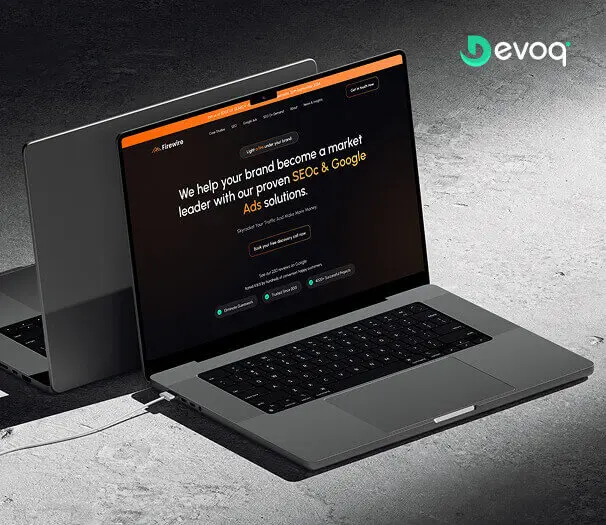
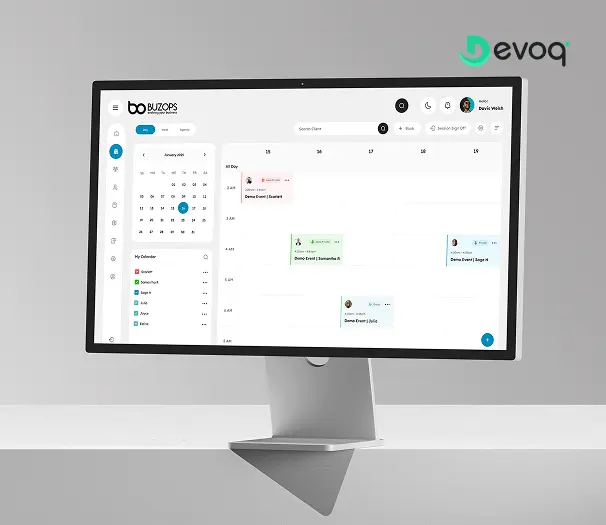
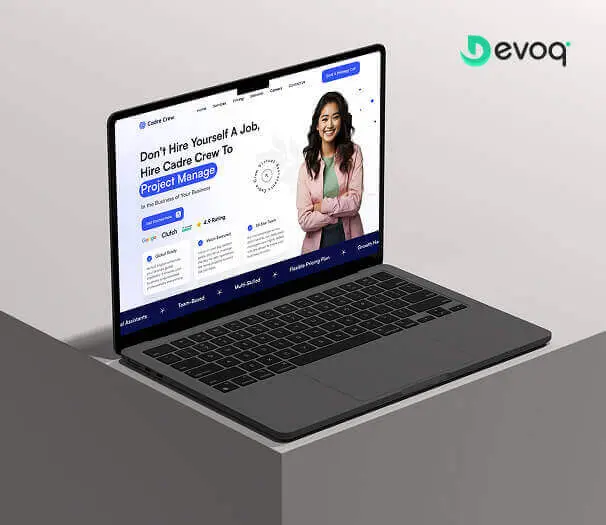
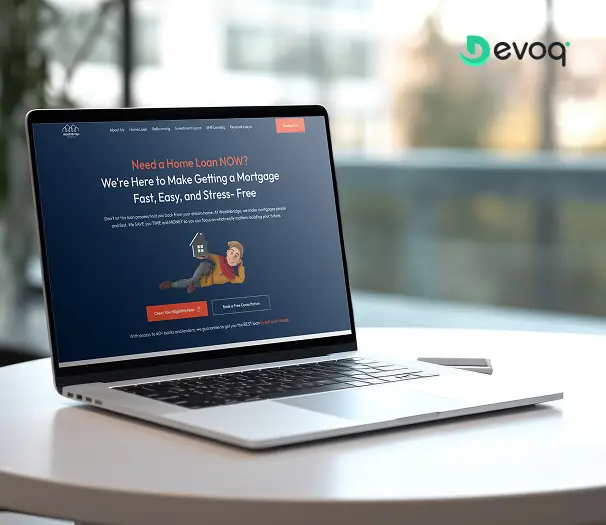
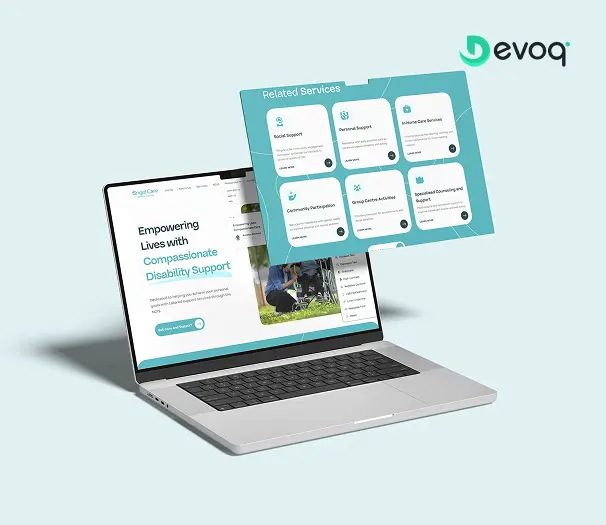
Real product delivery from the Devoq Design portfolio, including named studies such as Firewire, Buzops, Cadre Crew, Wealth Bridge and Angel Care. AI SaaS MVP hire work builds on that same zero-to-one shipping discipline; we do not invent fictional AI-only client claims on this page.
Want the story behind related case work?
We will walk you through how product delivery worked on named Devoq studies such as Firewire, Buzops and Wealth Bridge, and where zero-to-one shipping discipline maps onto an AI SaaS MVP, under NDA, with people close to delivery.
Your Dedicated TeamRoles you can staff beside an AI SaaS MVP developer
Zero-to-one AI SaaS usually needs a packaging engineer plus product and billing partners. Roles below share engagement terms when you want a pod.
AI SaaS MVP Developer
Owns the tenant-ready vertical slice: auth, billing hooks, core AI workflow and admin path.
Founding product lead
Locks the wedge job and success criteria so MVP scope does not sprawl into a second product.
SaaS Product Designer
Shapes onboarding and activation around the AI wedge inside a subscription shell.
Billing / RevOps partner
Maps plans to AI entitlements and validates webhook edge cases before launch.
QA for multi-tenant paths
Proves isolation, upgrade/churn flows and admin permissions before paying users arrive.
AI Developer (post-MVP)
Join when the product matures past first tenants and needs deeper eval/observability capacity.
What You ReceiveDeliverables at the end of every engagement
Handover is a defined stage of the work, not a negotiation at the end of it. Everything listed here transfers to you regardless of how the engagement concludes.
Source in your repositories
Working code for auth, billing, tenant AI and admin under your git hosting, not locked in a vendor-only sandbox.

Prompts and configs you own
Versioned prompts, system instructions and environment templates assigned to your organization.
Tenant and billing documentation
How plans map to AI entitlements, how tenants are scoped, and what happens at upgrade or churn.
Usage and cost visibility
Access patterns for traces, per-tenant activity and model spend in the tools you already operate.
Runbooks and failure notes
How to respond when billing webhooks fail, tenants collide or the model is wrong, written for the people on call.
Handover walkthrough
A recorded or live walkthrough for your team, plus a defined window for post-handoff clarification on the delivered systems.
Expert AdviceBest practices when you hire an AI SaaS MVP developer
Five things we would tell a founder hiring their first AI SaaS MVP engineer, whether or not they hired us. These habits keep runway pointed at learnings from paying users.
Trial on a real tenant path, not a model demo
Give candidates a genuine slice from your backlog: sign-up, isolation or billing hook. Evaluate how they frame tenant boundaries and entitlements, not only how polished a personal ChatGPT wrapper looks on GitHub.
Define "done" as onboardable, not demoware
Require auth, billing connection and tenant scoping in the definition of done. Otherwise you will re-buy the same prototype every quarter under a new contractor name.
Settle ownership of keys, tenants and billing before kickoff
Agree who owns provider accounts, Stripe configuration and tenant data if the engagement ends, before the first external user signs up. Fixing ownership mid-project is how founders lose their only working path.
Invite design into onboarding early
Activation and trust UX are product decisions. Involve SaaS product design before CS invents explanations for confused trial users.
Weight communication as heavily as stack cleverness
In a distributed founding team, the engineer who writes clear updates and flags billing risk early will beat a stronger architect who disappears between demos.
Things To KnowCommon mistakes to avoid
The five failure patterns we see when AI SaaS work arrives mid-flight, or after a demo that made "hire ai saas mvp developer" feel urgent for the wrong reasons.
Hiring an MVP developer when you meant AI-assisted coders
If you want faster shipping on a normal backlog with Copilot-class tools, that is the AI-assisted lane. Mislabeling burns money on people optimized for tenant SaaS packaging you do not need.
Buying a platform program when you needed a vertical slice
Hyperscale architecture and MVP validation are different centers. Stretching one job post into both creates a hire who delivers slides while auth stays broken.
Skipping billing because the AI demo felt magical
Magic fades when nobody converts. Without plan entitlements wired to the AI job, you never learn whether anyone would pay.
Leaving secrets and tenant configs with the vendor
If offboarding deletes the product, you never owned it. Put accounts and repos under the client from day one.
Ignoring activation UX until churn interviews hurt
SaaS product design exists for onboarding and retention. Shipping raw model text into UI without those states is how trials die quietly.
Support & MaintenanceWhat happens after the first AI SaaS MVP ships
Launch is when real tenants start producing usage, billing events and support themes. Ongoing MVP support is structured around acting on that information, not freezing a scaffold nobody is allowed to touch.
Tenant and billing regression checks
As plans, prompts and providers change, we re-verify isolation and entitlements so quiet regressions do not become next month incident.
Cost and usage tuning per tenant
Model spend drifts as cohorts grow. We help adjust metering, caching and routing when the bill disagrees with unit economics.
Failure-theme iteration
Support tickets and usage traces feed a prioritized backlog for the next MVP path to harden.
Flexible embedded capacity
Keep an MVP developer part-time for steady change, or surge for a launch window, without restarting vendor onboarding from zero.
Client FeedbackWhat clients say after working with us


“The client was pleased with Devoq Design’s thorough understanding of each design stage. They seamlessly integrated into the internal team, providing helpful critiques and insights. They regularly communicated via phone, email, and Slack. Devoq Design’s collaborative approach stood out.”
“Devoq Design has completed the design phase, and the client is very satisfied with the new layout. The service provider is responsive and incorporates the client's feedback. The client has been impressed with Devoq Design's ability to create both strategic and beautiful designs.”
“The project is still ongoing, but Devoq Design has already delivered functional components of the client's product. The team establishes a collaborative workflow through clear and constant communication, they always provide updates on the project's progress. They're also skilled at what they do.”
Frequently Asked QuestionsCommon questions about hiring AI SaaS MVP developers
What does a dedicated AI SaaS MVP developer at Devoq Design do?
A dedicated AI SaaS MVP developer builds the first shippable vertical slice of your AI product: multi-tenant auth, billing hooks, one tenant-aware AI workflow and an admin path your team can operate. At Devoq Design that engineer embeds with your founder or CTO (standups, PRs, runbooks) so you can onboard real users and learn from paid usage rather than run an endless prototype. They are the default hire when the brief is "ship an AI SaaS someone can sign up for," not mature product AI, a chatbot-only channel, activation design or assisted coding on a general backlog.
How is this different from your AI SaaS platform development service?
The AI SaaS platform development page sells a Devoq-delivered platform program as a service engagement. This hire page sells an embedded MVP engineer on your team under hire engagement models. Many founders start with a scoped slice or strategy call, then keep a seat; others only need one of the two. Cross-link both with the project-versus-seat distinction in mind.
How is this different from hiring an AI developer?
An AI developer owns production AI features inside a product that already exists: eval, observability and model integration at maturity. An AI SaaS MVP developer owns zero-to-one packaging: auth, tenant isolation, billing hooks and one AI workflow founders can put in front of paying users. If your app already ships and you need AI capability added, say so on the discovery call; we will route you to the AI developer lane.
How is this different from hiring AI-assisted developers?
AI-assisted developers use coding assistants to ship ordinary product backlog faster under review. An AI SaaS MVP developer ships tenant-ready SaaS packaging with a billing-aware AI feature. If you do not need auth, billing or tenant scoping and only want throughput, say so on the discovery call; framing the ask clearly avoids paying for the wrong seat.
Should I hire a SaaS product designer instead?
Hire a SaaS product designer when activation, onboarding and retention UX inside a live subscription product are the center of the brief. Hire an AI SaaS MVP developer when engineering must land auth, billing and the core AI workflow first. Many founders combine both in a pod; we will say which lane leads after discovery.
What is the thinnest AI feature that still justifies an MVP?
It depends on your wedge: the one workflow a design partner would pay for if everything else were stripped away. We frame that job in discovery, connect it to a plan or meter, and defer secondary AI ideas until usage proves the first bet. There is no universal feature name that fits every AI SaaS on this page.
How quickly can an AI SaaS MVP developer join my team?
Join speed depends on seniority and your interview availability, not a fixed day-count on this page. After discovery we shortlist matched engineers, run your interviews and validate with a trial sprint on a real MVP ticket before you commit: ask for current capacity on the discovery call.
Who owns the code, prompts, configs and billing accounts?
You do. At Devoq Design, code, prompts, documentation and working access transfer to systems under your organization rather than remaining locked in a vendor-only account. Ownership and revoke procedures are written at kickoff, not negotiated in an exit week.
What happens if the engineer is not the right fit?
Dedicated engagements include a trial sprint before commitment and replacement cover within the first 30 days, with managed knowledge transfer so you do not restart from a lost tenant config and an undocumented Stripe setup. Continuity is a studio responsibility, not only an individual freelancer goodwill.
Can you take over an existing AI prototype?
Yes. We audit what runs today, where secrets live, whether auth or billing exists, and which workflow must become onboardable. Then we rebuild a clean tenant path into your repo and environment without insisting on a total rewrite on day one if a thinner slice can ship safely first.
When should we switch from MVP hire to a broader AI developer or platform program?
When usage outgrows the first wedge: multiple AI surfaces, deep eval programs, or infrastructure scale beyond what a validation seat should carry. We flag that transition in reviews rather than letting an MVP engineer silently become a platform team without a deliberate scope change.
Do you provide support after the first AI SaaS MVP launches?
Yes. Ongoing work can include tenant and billing regression checks, per-tenant cost tuning, failure-theme iteration from support, and flexible embedded capacity when your roadmap keeps changing after the first cohort onboarded. Launch is when real usage starts producing information worth engineering against.
Related ServicesExplore other ways we can help
AI SaaS MVP hires sit beside platform service programs and specialist hire lanes. These adjacent paths are the ones founders combine most often: each with a distinct center.
AI SaaS Platform Development
When you want Devoq to deliver a full AI SaaS platform as a service engagement rather than an embedded MVP seat.
ExploreHire AI Developer
Embedded production AI engineering when your product is past MVP and needs eval, observability and mature feature depth.
ExploreHire SaaS Product Designer
Metrics-led onboarding and activation UX inside the subscription product around your AI wedge.
ExploreAI Product Strategy & Consulting
Validate and frame the AI SaaS bet before you staff an engineering seat for the wrong wedge.
ExploreHire UI/UX Designer
When the broader product interface still lacks an owner around the MVP shell.
ExploreHire AI-Assisted Developers
Velocity on general backlog with coding assistants when you do not need zero-to-one SaaS packaging.
Explore
Ready to hire an AI SaaS MVP developer for your team?
Book a free consultation. We will scope the vertical slice, recommend an engagement model and share matched engineer profiles. No obligation and no pressure script.