

Hire iOS Developers Who Ship App Store-Ready Products
Bring on vetted Swift, SwiftUI and Objective-C engineers who build fast, secure, native applications for iPhone, iPad, Apple Watch, Apple TV and Vision Pro. Embedded in your sprints, accountable to your roadmap, and yours in code from the first commit.
 Vetted developer shortlist
- Trial sprint before you commit
- 100% source code ownership
- NDA-backed from day one
Trusted by product teams and rated on independent review platforms






What does a dedicated iOS developer actually do?
An iOS developer designs, builds, tests and maintains applications that run on Apple's operating systems: iOS, iPadOS, watchOS, tvOS and visionOS. The work spans writing Swift or Objective-C in Xcode, building interfaces with SwiftUI or UIKit, integrating REST and GraphQL APIs, managing offline storage and synchronisation, working with device capabilities such as camera, Face ID, HealthKit, Core Location and push notifications, then shipping through App Store Connect and monitoring stability after release.
A dedicated iOS developer does all of that as an embedded member of your team rather than as a task-by-task contractor. They attend your standups, own a portion of the backlog, review pull requests and carry architectural context across releases. That continuity is the difference between an application that compounds in quality and one that quietly accumulates debt after launch.
Key takeaways
Native iOS development uses Swift and SwiftUI to reach platform capabilities that cross-platform wrappers support late, partially, or not at all.
A dedicated engineer is embedded in your process; a freelancer typically delivers isolated tasks without long-term architectural ownership.
Apple's release cycle rewards teams who adopt new APIs early: widgets, App Intents, Live Activities and visionOS all favor native codebases.
The three practical hiring routes are a dedicated developer, an extended team pod, or a defined-scope project engagement.
Clarity on NDA, IP assignment and repository ownership should be settled in writing before any code is written.

 Business Challenges
The problems teams bring us before they hire
Most companies do not start by searching for an iOS developer. They start with a symptom: a stalled release, a rejected submission, a codebase nobody wants to open. These are the six we are called in for most often, and how each one gets resolved.

Repeated App Store rejections
Submissions bounce back citing vague guideline numbers, and every cycle costs another week of runway.
How we resolve it
Diagnose the actual guideline breach (usually privacy declarations, subscription disclosure or minimum functionality) correct it, and resubmit with reviewer notes that pre-empt follow-up questions.
A codebase nobody wants to touch
Oversized view controllers, no test coverage, abandoned dependencies and a build that only works on one machine.
How we resolve it
Stabilise the build first, add coverage around critical paths, then refactor in reviewable slices instead of proposing a rewrite that halts your roadmap for six months.
Hiring consumes a full quarter
Senior iOS engineers are scarce, notice periods are long, and recruitment fees arrive well before any code does.
How we resolve it
Pre-vetted engineers with confirmed availability, shortlisted quickly and validated through a real trial sprint rather than a whiteboard exercise.
Performance and battery complaints
Reviews mention lag, overheating and drain. Retention drops and the App Store rating follows it down.
How we resolve it
Instruments profiling to locate the real cause (usually background location, over-eager polling or retained observers) with measured before-and-after benchmarks you can verify.
The developer left mid-project
Undocumented decisions, half-finished branches, and a launch date that has not moved to accommodate any of it.
How we resolve it
Reconstruct the architecture from the codebase, document it properly, and continue delivery with a team structure that survives any single person leaving.
Design that dies in implementation
Prototypes look excellent in Figma and arrive in the build with every interaction flattened out.
How we resolve it
Designers and iOS engineers sit in the same team and review together, so motion, states and edge cases are specified before the sprint rather than negotiated during it.
Why NativeWhy businesses choose native iOS app development
Cross-platform frameworks are the right answer for plenty of products. But when the experience itself is the differentiator, native Swift still wins on the qualities users feel immediately and reviewers judge harshly.
A high-intent, high-value audience
Apple's install base skews toward users who subscribe, upgrade and spend. For subscription and commerce products, iOS is usually where payback arrives first, which makes the quality of that build commercially disproportionate.
Performance users can feel
Direct access to Metal, Core Animation and the on-device Neural Engine delivers smooth scrolling at high refresh rates, near-instant launches, and animation that holds up under load rather than degrading on older hardware.
Security built into the platform
Keychain, Secure Enclave, App Transport Security and biometric authentication provide enterprise-grade protection natively, without stacking third-party layers that expand your audit surface.
Same-day support for new OS features
Apple ships new APIs every September. Native teams adopt widgets, App Intents, Live Activities and Dynamic Island on launch day instead of waiting months for a wrapper framework to catch up.
A genuinely connected ecosystem
One family of Swift packages can serve iPhone, iPad, Watch, TV, CarPlay and Vision Pro, with Handoff, iCloud sync and Universal Clipboard behaving exactly as Apple users already expect them to.
Better App Store outcomes
Fewer rejections, faster review cycles, higher ratings and stronger keyword visibility because the application follows Apple's Human Interface Guidelines rather than approximating them from another platform's conventions.
 Why Devoq Design
Why businesses choose to hire iOS developers from us
We are a design-led engineering studio, which means interface quality and code quality are reviewed by the same team. Nothing is lost in the handoff between Figma and Xcode, because there is no handoff.
Senior-only engineering pool
Every developer we place has shipped multiple production applications and cleared a live Swift assessment, an architecture interview and a communication screen. We keep the bench senior on purpose.
Onboarding measured in days
Shortlist promptly, interviews inside the week, and a developer contributing to your sprint immediately after the trial. No notice periods and no recruitment fee to recover.
Design and engineering in one team
UI/UX designers, iOS engineers and QA specialists work from the same board. Interaction detail survives implementation instead of being simplified away under sprint pressure.
Capacity that tracks your roadmap
Add a second engineer for a launch push, reduce during a consolidation quarter. Team composition is reviewed monthly, so capacity follows the roadmap rather than dictating it.
Real overlap with your working day
Meaningful timezone overlap wherever you are based, with written standups, weekly demos and a shared channel your whole team can see, not a single account manager relaying messages.
Contracts that protect the client
Mutual NDA, IP assignment, GDPR-aligned data handling and documented security practice. The code, the designs and the documentation are yours from the first commit, without negotiation at exit.
Have a project in mind? Let's get to chat
Send a short brief and we will come back with two or three matched Swift developers: code samples, shipped applications and confirmed start dates.
 Services Included
What our iOS app development services cover
Whether you engage a single engineer or a full pod, the same breadth of capability is available from day one. Nothing on this list is quoted as an add-on later.

Custom iPhone app development
End-to-end product builds in Swift and SwiftUI, from information architecture and wireframes through to a signed, submitted and approved App Store release.

iPad and multi-window applications
Split View, Stage Manager, drag-and-drop, keyboard shortcuts and Apple Pencil support for productivity tools professionals use for hours at a time.

Apple Watch and wearable apps
watchOS companions, complications, workout sessions and HealthKit integrations engineered to stay reliable within a tight power and memory budget.

Enterprise mobility solutions
MDM-ready internal applications with single sign-on, role-based access, custom distribution via Apple Business Manager and offline-first data synchronisation.

Legacy app modernisation
Objective-C to Swift migration, UIKit to SwiftUI transition, dependency cleanup and incremental re-architecture without pausing your release cadence.

API and backend integration
REST, GraphQL, WebSocket and Firebase integration with considered caching, retry logic, token refresh and secure credential storage in the Keychain.

AR, machine learning and visionOS
ARKit experiences, Core ML on-device inference, RealityKit scenes and spatial interfaces for teams building on Apple Vision Pro while the category is still forming.

QA, automation and device testing
XCTest and XCUITest suites, snapshot testing, real-device matrix coverage, TestFlight distribution and continuous integration pipelines.

App Store launch and optimization
Metadata, privacy nutrition labels, screenshot sets, reviewer notes, phased rollouts, rejection handling and keyword performance reporting after release.
Working across platforms? Our teams also cover Android engineering, Flutter and React Native when a shared codebase is the better commercial decision. Hire Android, Flutter and React Native developers.
Apple Ecosystem StrategyOne product, every Apple surface
Shared Swift packages let a single team extend your product across devices without reimplementing business logic five times. Each surface earns its place only when it removes real friction for your users.
iPhone: the anchor surface
Your primary experience, optimized for one-handed use and extended through Dynamic Island, Live Activities, widgets and App Intents so the product surfaces in Siri, Spotlight and Shortcuts.
iPad: the workspace
Where sessions lengthen and tasks get heavier. Multi-column layouts, external keyboard support and Pencil input turn a phone application into a professional tool people work in all day.
Apple Watch: the glance
Complications, notifications and single-tap actions that strip friction from tasks users repeat several times a day, without duplicating the full application on the wrist.
Apple TV: the shared screen
Focus-engine navigation and large-format layouts for media, fitness, training and hospitality products where the audience is a room rather than an individual.
Vision Pro: the frontier
Spatial windows, volumes and immersive scenes on visionOS for teams that want early positioning in a category with meaningfully less competition than the App Store.
Mac via Mac Catalyst
Ship a real desktop application from your iPad codebase, with menu bars, window management and keyboard support that respects how people actually work on macOS.
Technology StackThe tools and frameworks our iOS developers work in
We do not adopt tooling for novelty. Every choice is tested against three questions: does the team already know it deeply, will it still be supported in three years, and does it reduce the volume of code you have to maintain?
Architecture defaults to MVVM with Combine or Swift Concurrency, modularised through Swift Package Manager so features can be built, tested and released in isolation. Where a project already has a working pattern in place, we adopt yours rather than imposing ours: consistency inside an existing codebase is worth more than our preferences.
Continuous integration runs on Xcode Cloud, Bitrise or GitHub Actions depending on your existing infrastructure, with automated signing, test runs on every pull request, and TestFlight distribution on merge to your release branch.
 Swift
Swift Objective-C
 Xcode
Xcode
 UIKit
UIKit SwiftUI
 Cocoa Touch
 Core Data
 RESTful API integration
 Firebase SDK
How We WorkOur iOS development process
We run two-week sprints with a fixed ceremony set: planning on Monday, written standups daily, demo and retrospective on the final Friday. The process is deliberately unremarkable: predictability is what lets your team plan around ours.
- 01
Discovery and technical audit
Requirements, user journeys, platform targets and constraints documented. For existing applications, an architecture and stability audit runs first.
- 02
UX architecture and design
Information architecture, wireframes and a Figma component system aligned to Apple's Human Interface Guidelines, validated with prototypes before build.
- 03
Sprint development
Feature slices built to a written definition of done, with peer code review on every pull request and a running build in TestFlight throughout.
- 04
QA and device testing
Automated unit and UI suites plus manual testing across a real device matrix covering current and previous OS versions, accessibility and low-connectivity states.
- 05
Release and iteration
App Store submission, phased rollout, crash and performance monitoring, then a prioritized backlog for the next cycle based on real usage data.
Hiring ProcessHow to hire an iOS developer, step by step
Most teams go from first conversation to first commit after a short discovery and trial cycle. Here is exactly what happens at each stage, and what you need to have ready.
- 01
Discovery
Understand your requirements
We discuss your goals, target platforms, feature list, and technical requirements to define the project scope.
- 02
Shortlisting
Review matched developers
Receive a curated list of developers selected based on your skills, industry, and project needs.
- 03
Evaluation
Interview & assess
Interview candidates, review technical expertise, and evaluate communication and problem-solving skills.
- 04
Onboarding
Start with confidence
Finalize agreements, provide project access, and onboard your developer with a smooth kickoff.
- 05
Delivery & Growth
Build, iterate, and scale
Track progress through regular updates, add features, scale the team when needed, and launch with confidence.
Project TimelineHow long an iOS app takes to build
Timelines below reflect delivery with one dedicated engineer plus design and QA support. Scope, integration count and approval cycles move them considerably more than team size does.
MVP Development
Launch with essential features, authentication, APIs, and a solid foundation.
Custom Applications
Build tailored web or mobile apps designed around your business goals.
Enterprise Solutions
Scalable systems with advanced integrations, security, and role-based access.
Technical Consulting
Architecture reviews, performance optimization, and product strategy guidance.
Every estimate is scoped after discovery and revisited at each sprint boundary. We would rather revise a timeline early than defend an inaccurate one.
Engagement ModelsFlexible ways to hire iOS developers
Three structures, one standard of engineering. If you are unsure which fits, describe the scope on a discovery call and we will recommend the leanest option that still reaches your outcome.
Focused
Dedicated iOS Developer
A single Swift engineer working exclusively on your product, embedded in your sprints, ceremonies and tooling.
- Full-time allocation to one client
- Direct access through your Slack and issue tracker
- Trial sprint before commitment
- Replacement cover within the first 30 days
Best for
Teams with in-house product and design who need engineering capacity only.
Discuss this modelMost requested
Extended iOS Team Pod
A multi-role unit combining iOS engineers with UI/UX design, QA and delivery management under one point of accountability.
- Engineering, design and QA in one team
- Dedicated delivery manager and written reporting
- Composition reviewed monthly against the roadmap
- Scales up for launches, down for consolidation
Best for
Founders and product leaders building a new application end to end.
Discuss this modelDefined
Defined-Scope Project
Milestone-based delivery against a documented scope: an MVP, a platform extension, a migration or a rewrite.
- Written scope, wireframes and acceptance criteria
- Milestone-based delivery and sign-off
- App Store submission handled end to end
- Post-launch support window included
Best for
Organizations with a fixed deliverable and a firm internal approval process.
Discuss this model
Compare Your OptionsDedicated iOS developer vs freelancer vs in-house hire
How the three common hiring routes compare across the factors that decide project outcomes.
Still weighing up which route to take?
Bring us the awkward version of the question: a half-finished codebase, a scope nobody has written down, or an internal disagreement about native versus cross-platform. You will talk to an engineer rather than an account manager, and we will say so plainly if we are not the right fit for the work.
Quality, Security & TransparencyHow we protect delivery, code and confidentiality
Outsourced engineering fails on process far more often than on technical skill. These four commitments are written into every engagement, not offered as reassurance on a sales call.
Quality standards
Every pull request is peer reviewed against a written definition of done covering test coverage, accessibility, error handling and performance budgets. SwiftLint runs in CI, and no branch merges with failing tests.
Release candidates are tested across a real device matrix spanning current and previous iOS versions, including VoiceOver navigation, Dynamic Type scaling and degraded network conditions.

Security, NDA and IP protection
Mutual NDAs are signed before technical discussions begin. Developers work on company-managed devices with full disk encryption and enforced VPN access, and repository permissions are restricted to named individuals.
We follow ISO 27001-aligned documented security practice and support GDPR, HIPAA-aware and SOC 2 client requirements. Intellectual property is assigned to you contractually.

Communication and reporting
A shared channel your whole team can access, written standups each working day, a live demo every sprint and a weekly summary covering progress, blockers and decisions taken.
Your issue tracker (Jira, Linear or Asana) is the single source of truth.

Risk mitigation
Architecture decisions are recorded in writing so context survives personnel changes. Critical knowledge is shared across at least two engineers on any pod.
Scope changes are estimated and approved before work starts, and timelines are revised at sprint boundaries.
Industries We ServeiOS applications we build across sectors
Domain familiarity shortens ramp-up considerably. These are the sectors where our engineers already understand the regulations, the integrations and the failure modes that catch teams out.

Healthcare and fitness
HIPAA-aware architecture, HealthKit synchronisation, telehealth video, wearable data capture and clinical workflow tools.

Fintech and banking
Biometric authentication, PCI-conscious data handling, KYC onboarding flows, card issuing SDKs and real-time transaction feeds.

Retail and commerce
Headless storefronts, Apple Pay, loyalty programs, augmented reality try-on and personalized merchandising.

SaaS and B2B platforms
Mobile companions for web products, single sign-on, offline synchronisation, permission roles and in-app usage analytics.

Media and entertainment
HLS streaming, DRM protection, offline downloads, AirPlay, picture-in-picture and subscription billing through StoreKit.

Travel and hospitality
Booking engines, Apple Wallet passes, live itineraries, geofenced check-in, and multi-currency, multi-language support.

Logistics and field operations
Route optimization, barcode scanning, proof-of-delivery capture and offline-first queues that survive poor connectivity.

EdTech and e-learning
Adaptive lesson flows, downloadable content, progress tracking, assessment tooling and classroom device management.
Global DeliveryHire iOS developers who work in your time zone
We support product teams across four continents. Wherever your headquarters sits, you get overlapping working hours, communication in your business language, and contracts written for your jurisdiction.
North America
United States and Canada
Teams in New York, San Francisco, Austin, Chicago and Toronto work with overlapping hours, US-hours standups and contracting in USD.
Europe
United Kingdom and EU
London, Manchester, Berlin, Amsterdam and Dublin clients get near-complete working-day overlap, GDPR-compliant data handling and GBP or EUR invoicing.
Middle East
UAE and the GCC
Dubai, Abu Dhabi, Riyadh and Doha teams work on a Sunday to Thursday week, with Arabic right-to-left layout support and regional payment gateway integration.
Asia Pacific
Australia, Singapore and India
Sydney, Melbourne, Singapore and Bengaluru teams get morning-hours overlap, local compliance guidance and on-site availability when a project requires it.
Delivery runs from our Ahmedabad studio, with client-facing coordination from Sacramento and Ajax. Every engagement operates under a single master services agreement, so adding an engineer in a new region never means renegotiating commercial terms.
Case Study HighlightsDiscover Our Case Studies
Explore Compelling Case Studies: Real Solutions, Real Success Stories
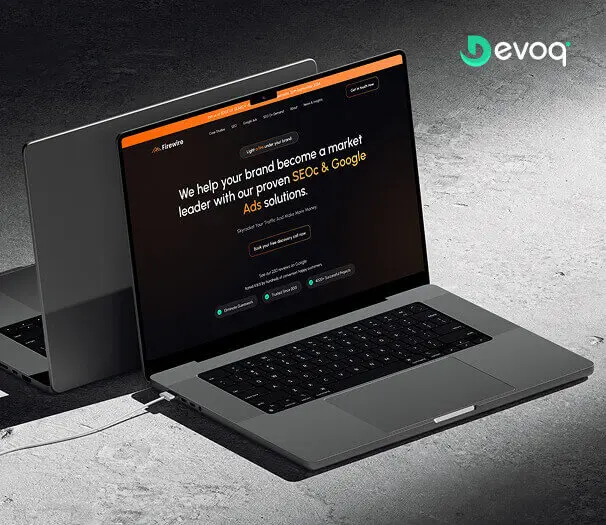
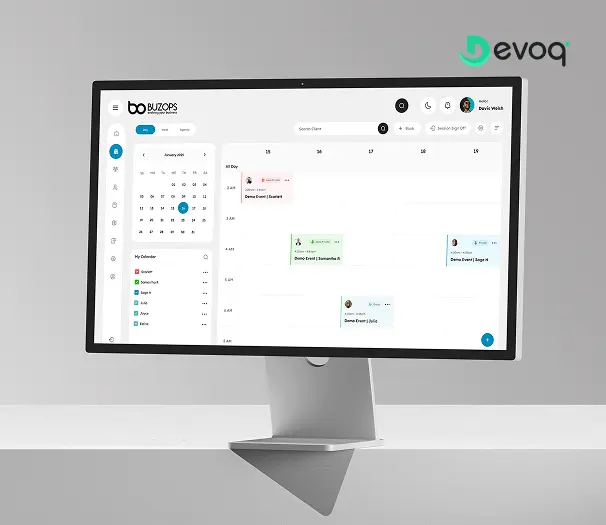
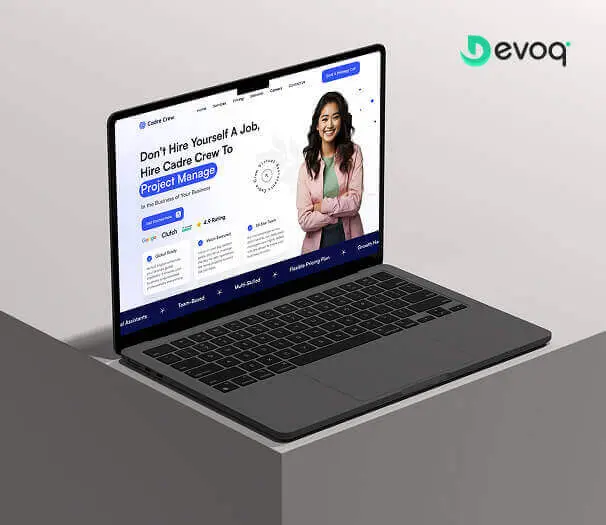

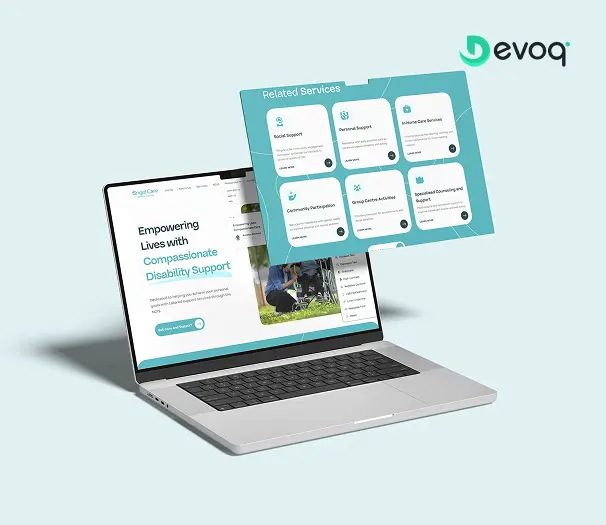
Want the full story behind these builds?
We will walk you through the architecture decisions, what went wrong along the way and what we would do differently, under NDA, on a call with the engineers who actually shipped them.
Your Dedicated TeamRoles you can hire individually or as a pod
Start with one engineer and add specialists as scope grows. Every role below works under the same engagement terms and the same delivery process.
Senior iOS Engineer
Owns architecture, code review and the most technically demanding parts of the feature set.

SwiftUI Developer
Builds interfaces, animation and state management in modern declarative codebases.

Mobile UI/UX Designer
Wireframes, prototypes and a Figma design system aligned to Apple's guidelines.
QA Automation Engineer
XCUITest suites, device-matrix regression runs and release sign-off checklists.

Backend and API Developer
Node, Laravel or Python services, and the API contracts the application depends on.

Mobile DevOps Engineer
CI/CD pipelines, code signing, certificate management and release automation.

Delivery Manager
Backlog grooming, sprint planning and one written status update every week.

ASO Specialist
Keyword research, listing copy, screenshot testing and post-launch ranking reports.
What You ReceiveDeliverables at the end of every engagement
Handover is a defined stage of the project, not a negotiation at the end of it. Everything listed here transfers to you regardless of how the engagement concludes.
Full source code and repository history
Transferred to your organization account with complete branch history and commit messages. No vendor-controlled dependencies and no hosting lock-in.

Architecture documentation
Module map, data flow diagrams, third-party dependency inventory and the reasoning behind each significant technical decision.

Editable Figma design system
Components, tokens, interaction states and responsive specifications: working files, not flattened exports.
Test suites and CI configuration
Unit and UI tests with the pipeline configuration needed to run everything on your own infrastructure from day one.
App Store assets and submission record
Metadata, screenshot sets, privacy labels, release notes and the submission checklist used to gain approval.

Handover and support window
A recorded technical walkthrough for your team, plus a defined post-launch support period for defect resolution.
Expert AdviceBest practices when hiring an iOS developer
Five things we would tell a friend hiring their first iOS engineer, whether or not they hired us.
Test against your real codebase
Algorithm puzzles reveal very little about iOS competence. Give candidates a genuine ticket from your backlog and evaluate how they scope it, structure it and explain their decisions.
Ask about shipped apps, not years of experience
Ask what they shipped, what broke after launch, and what they did about it. Engineers who have owned a live application answer that question very differently from those who have only built features.
Check App Store literacy explicitly
Submission, privacy declarations, phased rollouts and rejection handling are learned skills. A developer who has never shipped through App Store Connect will cost you weeks discovering that at the worst possible moment.
Settle IP and repository ownership first
Agree in writing who owns the code, where the repository lives and who holds the signing certificates before development begins, not while you are trying to transition away.
Weight communication as heavily as code
In a distributed team, the engineer who writes a clear standup update and flags a blocker early will outproduce a stronger coder who works silently for a fortnight.
Things To KnowCommon mistakes to avoid
The five failure patterns we see repeatedly when a project arrives with us mid-flight.
Choosing on rate alone
The cheapest engineer becomes the most expensive one when the architecture has to be rebuilt. Assess total delivered value across the project rather than the line item on an invoice.
Skipping design before development
Building without validated flows produces rework at implementation cost rather than at wireframe cost: typically five to ten times more expensive per change.
Treating QA as a launch-week activity
Testing compressed into the final sprint finds problems when there is no time left to fix them properly, which is exactly how technical debt enters a codebase on day one.
Ignoring the September OS cycle
Every new iOS release deprecates APIs and shifts behavior. Apps without a maintenance plan break for users who upgrade, and the reviews arrive before the bug report does.
Leaving accessibility until later
VoiceOver support, Dynamic Type and contrast are far cheaper to build in than to retrofit, and in several markets they carry legal obligations for public-facing products.
Support & MaintenanceWhat happens after your app launches
Launch is the point at which real usage starts producing information. Ongoing engagements are structured around acting on that information rather than simply keeping the build alive.

Crash & performance monitoring
Crashlytics and MetricKit dashboards reviewed weekly, with regressions triaged by severity and user reach rather than by order of arrival.

OS compatibility updates
Each September we test against the iOS beta cycle and ship compatibility updates before general release, so your users never upgrade into a broken application.

Dependency and security upkeep
Third-party packages reviewed and updated on a fixed cadence, with security advisories assessed against your actual usage rather than patched blindly.
Iterative feature delivery
Analytics and store feedback feed a prioritized backlog, so each release cycle is directed by evidence rather than by the loudest internal request.
Client FeedbackWhat product teams say after working with us

“We had lost four months to a contractor who disappeared. Their developer was reading our codebase within a week and had a stable build in TestFlight before the month ended.”
“The trial sprint decided it for us. We gave them a real ticket, they shipped it properly with tests, and the pull request comments were better than what our own team was writing.”
“Two rejections from App Review before we called them. They identified the privacy declaration issue in an afternoon and we were approved on the next submission.”
Frequently Asked QuestionsCommon questions about hiring iOS developers
What does a dedicated iOS developer do?
A dedicated iOS developer designs, builds, tests and maintains applications for Apple platforms using Swift, SwiftUI, UIKit or Objective-C in Xcode. The role covers API integration, offline data handling, device capabilities such as camera and biometrics, App Store submission and post-release stability monitoring. Unlike a freelancer working task by task, a dedicated developer is embedded in your team: they join standups, own part of the backlog, review pull requests and retain architectural context between releases.
How quickly can an iOS developer join my team?
Shortlisting and a trial sprint happen before you commit to a full engagement. Ask us for the current SLAs on the discovery call.
Who owns the source code and intellectual property?
Clarity on NDA, IP assignment and repository ownership should be settled in writing before any code is written. At Devoq Design, the code, designs and documentation are assigned to you contractually from the first commit, with repository access transferred to your organization account and no vendor-controlled lock-in.
Should I build a native iOS app or use a cross-platform framework?
Cross-platform frameworks are the right answer for plenty of products. When the experience itself is the differentiator, native Swift still wins on performance, security primitives, same-day OS feature adoption and App Store outcomes. Devoq Design also covers Android, Flutter and React Native when a shared codebase is the better commercial decision.
Can your iOS developers work in my time zone?
Devoq Design supports product teams across North America, the UK and EU, the UAE and GCC, and Asia Pacific with overlapping working hours..
What happens if the developer is not the right fit?
Dedicated engagements include a trial sprint before commitment and replacement cover within the first 30 days, with managed knowledge transfer so continuity does not restart from zero.
Do you handle App Store submission and review rejections?
Yes. Services include metadata, privacy nutrition labels, screenshot sets, reviewer notes, phased rollouts and rejection handling. For repeated rejections, engineers diagnose the actual guideline breach (often privacy declarations, subscription disclosure or minimum functionality) and resubmit with reviewer notes.
Can you take over an existing iOS codebase?
Yes. For existing applications an architecture and stability audit runs first. Stabilise the build, add coverage around critical paths, then refactor in reviewable slices instead of proposing a rewrite that halts the roadmap.
How long does it take to build an iOS app?
Timelines depend on scope: MVP, custom application, enterprise solution or consulting. Scope, integration count and approval cycles move timelines more than team size. Every estimate is scoped after discovery and revisited at each sprint boundary..
How do you keep our code and data secure?
Mutual NDAs are signed before technical discussions. Developers work on company-managed devices with full disk encryption and enforced VPN access, and repository permissions are restricted to named individuals. Practice is GDPR-aligned with support for HIPAA-aware and SOC 2 client requirements..
What is the difference between a freelancer and a dedicated iOS developer?
A dedicated engineer is embedded in your process: standups, backlog ownership, pull requests and architectural continuity. A freelancer typically delivers isolated tasks without long-term architectural ownership. Compare options also cover vetting depth, continuity, design/QA coverage and contractual IP/NDA protection.
Do you provide support and maintenance after launch?
Yes. Post-launch work covers crash and performance monitoring, OS compatibility updates each September, dependency and security upkeep, and iterative feature delivery driven by analytics and store feedback. A defined post-launch support window for defect resolution is included with handover.
Related ServicesExplore other ways we can help
iOS engineering rarely sits alone. These are the services most frequently combined with a dedicated iOS engagement.

Hire Android Developers
Build fast, native Android apps with Kotlin experts.
Explore
Hire Flutter Developers
Create cross-platform apps from one codebase.
ExploreHire React Native Developers
Build scalable mobile apps with React Native.
ExploreHire UI/UX Designer
Research-backed interfaces and developer-ready Figma handoff.
Explore
Mobile App Development
End-to-end mobile product builds across platforms.
Explore
Hire Unbounce Developer
Create high-converting landing pages.
ExploreHire Elementor Developers
Fast WordPress sites with Theme Builder, custom widgets and Core Web Vitals work.
Explore
Ready to add an iOS developer to your team?
Book a free consultation. We will scope the work, recommend an engagement model and share matched developer profiles within a few business days. No obligation and no sales script.