Transport and Logistics App Design and Development Services
Devoq Design designs and builds logistics apps that survive the road: driver apps with navigation, proof of delivery and hours tracking, fleet and dispatch tools, courier and last-mile apps, shipper tracking apps, and ride and transit apps. Offline-ready, telematics-connected and designed to WCAG 2.2 AA, with senior designers reviewing every screen.
Logistics app development for drivers, dispatchers and the customers waiting on them
A logistics app earns its place by removing steps from a shift. A driver in a dark trailer tries to scan a label with an app that needs a bright, steady shot; we design scanning with a torch toggle, manual entry and a retry that does not lose the stop. A courier with a phone in a rain cover signs a proof of delivery and the app drops it when the signal fails; we capture signatures, photos and scans on the device and sync later. A dispatcher on a tablet in the yard needs to reassign a late load but the mobile view hides the board; we design a dispatch view that works on a phone, not a shrunken console. A customer waiting for a pallet sees an ETA that has not moved in an hour; we show data age so status stays honest when the signal drops. We design those apps around how the work actually happens, then build them with your engineers or ours. Whether you operate a fleet, a courier network, a freight marketplace, a field service company or a transit agency, you get an app your people open every shift.
Our Services
Logistics app design and development services by product type:
Driver and Delivery Apps
Stop lists, navigation handoff, scanning, proof of delivery, hours-of-service and incident reporting designed for one hand, gloves and poor light. Each stop is a short, repeatable sequence, and a skipped photo or signature is flagged before the driver leaves.
Fleet and Dispatch Apps
Live vehicle maps, load assignment, exception alerts and driver messaging that let dispatchers run the board from a tablet or phone. Exceptions are ranked by cost to the plan, and a reassignment takes a few taps with the driver notified at once.
Courier and Last-Mile Apps
Pickup booking, route batching, customer notifications and photo proof for parcel, food and same-day delivery networks. Delivery instructions, safe-place photos and failed-attempt reasons are captured in the same short flow.
Shipper and Customer Tracking Apps
Booking, document access, live ETAs and delivery confirmation for shippers and consignees, with plain status language and notifications. Every status carries its time, and PODs and invoices sit one tap from the shipment.
Ride, Transit and Mobility Apps
Trip planning, ticketing, real-time arrivals and accessible wayfinding for ride services, bus and coach operators and transit agencies. Tickets work offline, and arrival boards remain readable in sunlight and at a glance.
Features/Why Choose Us
Offline and glove-ready
Stop lists, scans, signatures and photos captured without a network and synced later, with large targets, high contrast and voice-friendly steps for drivers in motion. We test prototypes in a dark trailer, in rain covers and with work gloves, because a step that needs a careful tap gets skipped and the missing proof turns into a claim weeks later.
Telematics and TMS connected
App flows scoped against your telematics, ELD, TMS, WMS and mapping providers so positions, ETAs, loads and documents on screen are real and current. We document each feed and its refresh rate before design and draw states for stale and missing data, so the app shows an honest last-seen time instead of a confident position that is an hour old.
Driver data handled with care
Location, camera and hours permissions requested in context with plain reasons, and consent, retention and access aligned with GDPR and UK GDPR where you operate. Drivers can see when tracking is on and when it stops at the end of a shift. A permission screen that explains why earns the yes; one that demands everything at install gets the app uninstalled.
AI with the driver in charge
42% of logistics leaders are not yet exploring agentic AI (ORTEC, Jan 2026), so we design route and exception suggestions that explain themselves and can be overridden in one tap. A reordered stop list shows what moved and why, and a declined suggestion is remembered, so the app learns the route knowledge a driver has built up rather than fighting it.
Fleet Operators and Carriers
Courier and Parcel Networks
Freight Marketplaces and 3PLs
Transit and Ride Services
Approach Section
Our Approach to Logistics App Development
Discovery and Ride-Alongs
01
Shifts spent with drivers and dispatchers, interviews with customers and support, and a map of the telematics and back-office systems the app must use. The workarounds we see in the cab, paper notes, photos sent by text, show what the current app fails to do.
Workflow Mapping
02
Assign, drive, stop, prove, report and close flows mapped for every role, including offline moments and the exceptions that fill a day. Each step records the device, the signal, the light, and the rule, such as hours of service, that must be visible at that moment.
Prototype and Test
03
Clickable prototypes tested in the cab, at the dock and on the curb, on the devices your people actually carry. Our usability testing sessions run a full stop with gloves, in poor light and in airplane mode, before any visual design is applied.
UI and Design System
04
Native patterns, accessible color and type, and a component library tuned for dense dispatch views and simple driver steps. Stop cards, status badges, map markers and proof screens are documented with every state, including pending sync, failed and overridden.
Build and Release
05
Development with your team or ours, device and store preparation, and analytics-led improvements after each release. Our mobile app development team builds from the same system the designers used, so what ships matches what was tested.
Why Devoq Design?
A logistics app should make the shift shorter, not add a screen to it.
Logistics App Experience
Driver, dispatch, fleet, tracking and transit apps designed with operations, compliance and customer experience as one brief. We know where a POD flow fails and why drivers go back to paper.
Design and Build Together
One team takes the product from ride-alongs through UI into native or cross-platform code, so nothing is lost between stages. Edge cases found in the cab reach the developers directly.
Integration First
Telematics, ELD, TMS and mapping capabilities documented before design, so every screen shows data your systems can deliver. Data age and fallback states are drawn in from the start.
Accessible to WCAG 2.2 AA
Screen reader labels, dynamic type, contrast and focus order checked on every screen, for staff and passengers alike. Transit apps are also reviewed against the European Accessibility Act where you serve EU passengers.
Ready for Many Markets
Units, time zones, address formats, consent and driver-data rules for US, UK, European, Australian and New Zealand operations. One app handles miles and kilometres, left-hand and right-hand roads.
AI Speed, Senior Review
AI drafts screens, copy and research summaries about 5x faster; senior designers decide every screen that ships. The time saved goes into more shifts spent with the drivers who use it.
Discover Our Case Studies
Explore Compelling Case Studies: Real Solutions, Real Success Stories
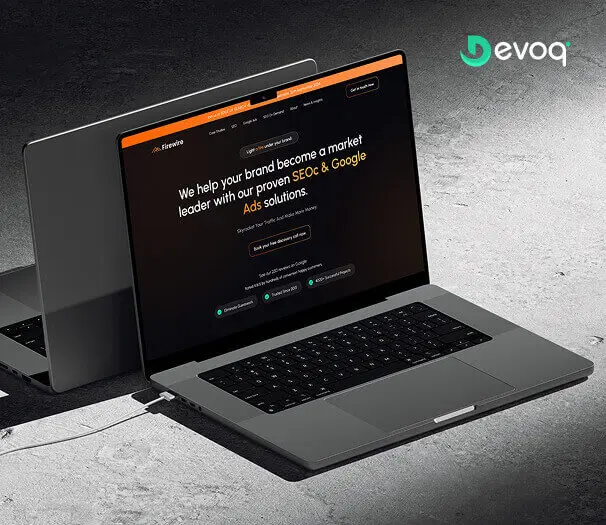
We crafted a sleek and intuitive website for Firewire, a digital marketing company specializing in SEO and Google Ads, to showcase their expertise and results. Our design highlights their data-driven approach to connecting businesses with their audience.
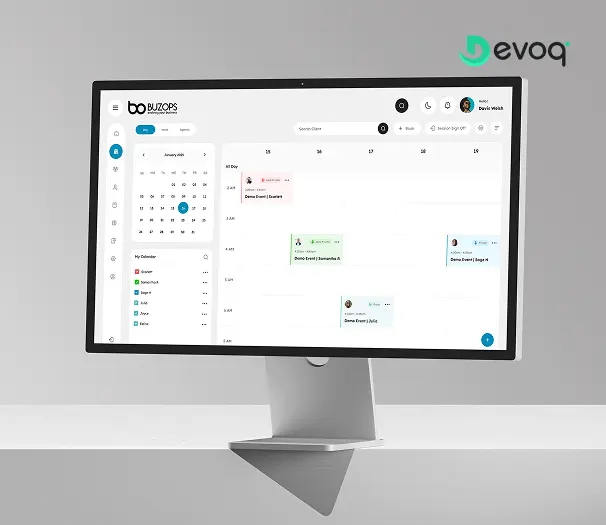
We created a clean and scalable SaaS experience for Buzops, helping businesses manage operations, automate workflows, and improve customer engagement through a unified platform.
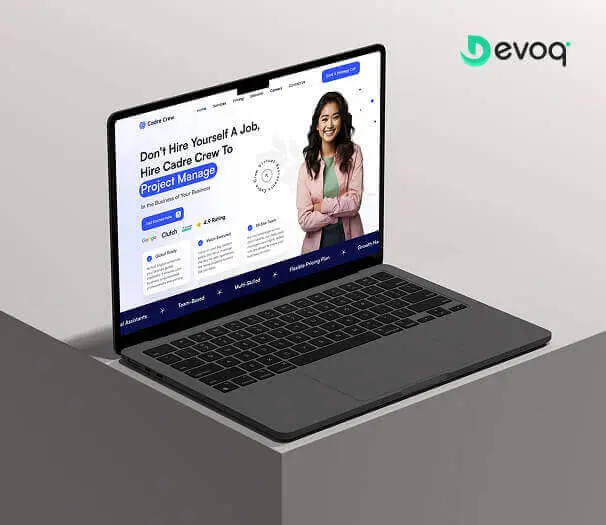
We designed and developed a user-friendly website for Cadre Crew, a company that helps growing businesses scale operations with virtual assistant and project management services. Our goal was to create an intuitive and efficient experience for their users.
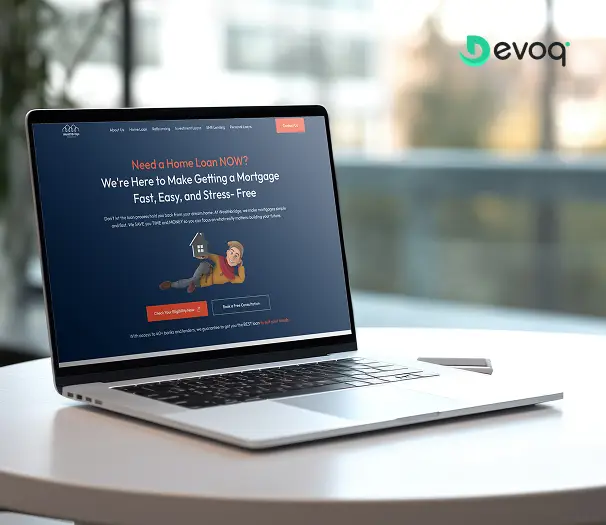
We built a modern online platform for Wealth Bridge, a mortgage and loan comparison service. The goal was a credible, easy-to-use experience that makes complex loan information simple. With a focus on clarity, performance and smooth interaction, the site helps borrowers compare home-loan products and choose the right one with confidence.
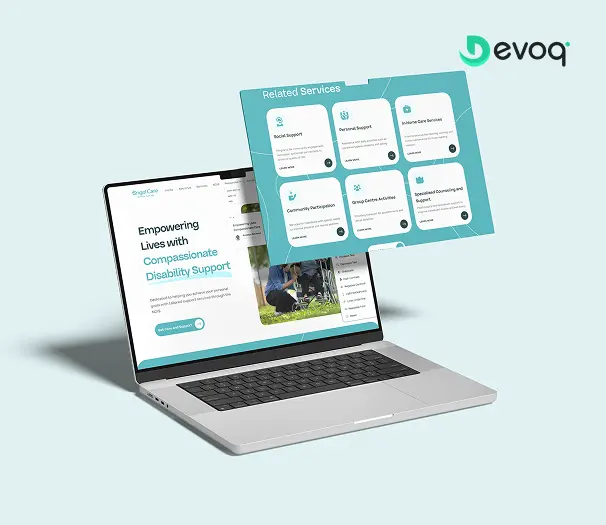
We created a compassionate and accessible digital experience for AngelCare, simplifying care discovery, improving NDIS understanding, and empowering users to access personalized support services with ease.
Field research and ride-alongs, workflow mapping, wireframes and clickable prototypes, visual design, a design system, accessibility checks, native or cross-platform development, device and store preparation and post-release optimization for driver, dispatch, fleet, delivery, tracking and transit apps. Each engagement also includes offline and permission design for every field screen, an integration map of your telematics, ELD and TMS feeds, and a record of the driver-data decisions for your compliance review.
Can you redesign our existing driver or fleet app?
Yes. We audit the app, its analytics and support tickets, spend time with the drivers and dispatchers using it, and redesign the flows costing the most minutes per shift first, while keeping your telematics, TMS and ELD integrations in place. On most driver apps the first targets are login, the stop sequence and proof of delivery. Releases are staged by depot or region so a bad release never stops the whole fleet, and each is measured against the time the old flow took.
Do you build the app or only design it?
Both. Devoq Design designers and developers work as one team, so we can design and build the app end to end, or hand your engineers developer-ready files, tokens and documentation to build from. For field apps we usually recommend a cross-platform build so drivers on mixed company and personal devices get the same app, and we test the build on the rugged devices and older phones your fleet actually carries before release.
How do you connect the app to telematics, ELD and TMS systems?
We document what each provider can expose: positions, events, hours, loads, documents and messaging, and how often each updates. The app is designed to those capabilities and built against your existing APIs, so integration is planned at the start rather than discovered at the end. Where the app itself is the source of truth, such as a proof of delivery captured offline, the sync order and conflict rules are designed before a screen is drawn.
Can the app include AI routing or dispatch suggestions?
Yes. First and final mile route scheduling is the top AI target for 35% of logistics leaders (ORTEC, Jan 2026). We design route, pricing and exception suggestions with visible reasoning and a one-tap override so dispatchers and drivers stay in control. Each suggestion shows what it changed and which constraint it protects, such as a delivery window or hours of service, and a declined suggestion is remembered so the app stops repeating advice a driver has already rejected.
How much does logistics app development cost?
Cost depends on platforms, the number of roles and flows, offline requirements, integrations and whether we also build the app. A proof-of-delivery app for one courier network is a smaller scope than a combined driver, dispatch and customer product with telematics, ELD and TMS feeds. After a short discovery call we quote a fixed price for a defined first release or a monthly retainer for ongoing product work as new depots, services and customers are added.
How long does a logistics app project take?
The drivers are the number of roles, the screens and offline states each role needs, how many systems must be integrated and tested, and whether ride-alongs and field testing are included. Offline sync and proof-of-delivery flows take longer to get right than they look because every failure case needs a state. We set the schedule in the discovery call and plan rollout by depot, so training and support happen in waves rather than across the whole fleet at once.
How do you handle driver location and privacy?
Location, camera and hours permissions are requested in context with a plain reason shown on screen, and data collection, retention and access follow GDPR and UK GDPR in Europe and the Australian and New Zealand Privacy Acts where you operate. Drivers can see when tracking is active and when it stops at the end of a shift, and dispatchers see only what the job needs. We document the decisions for your compliance review rather than offering legal advice. Files, tokens and code are yours from the first week.