Conference sites, festival pages and ticket checkout
Event and Ticketing Website Design Services
Devoq Design provides event website design for conferences, festivals, trade shows and ticketing businesses. We design the pages that fill a venue: an event homepage that states the date, place and reason to attend, agenda and speaker pages people can scan, sponsor pages that sell packages, and a checkout that gets a ticket bought in a few steps.
Event website design that sells tickets before the doors open
An event website has a short, hard job. Visitors decide in seconds whether the event is for them, whether the date works and whether the ticket is worth the price. A manager forwarded the link by a colleague lands on a hero slider and cannot find the date or the city without scrolling; we put what, when and where in the first screen. A visitor on a phone in a hallway opens the agenda and gets a desktop table that needs pinching; we design the schedule as a filterable list that works on a thumb. A buyer choosing between three ticket tiers cannot tell which includes the workshop, so they email instead of paying; we state inclusions on each tier before checkout. A returning attendee ready to buy meets a form with twenty fields and a required account; we ask for payment first and details later. We design the site around the buying decision, with proof such as speakers, past attendance and agenda close to the ticket button, mobile layouts that carry most of the traffic, and reusable blocks so the next edition launches without a redesign.
Our Services
Website design for conference organizers, festival promoters, ticketing platforms and corporate events teams:
Event Homepage and Landing Pages
Hero, date and location, proof and ticket call to action arranged in the order a first-time visitor needs them, reusable for each edition. Campaign landing pages share the same blocks, so a paid ad lands on a page that sells.
Agenda, Speaker and Venue Pages
Filterable schedules, speaker profiles, maps and travel information that work on a phone while someone is standing in a hallway. Sessions can be saved and shared, and time zones are shown for remote attendees.
Ticket Selection and Checkout
Ticket tiers, group and early rates, promo codes, attendee details and payment designed for fewer steps and fewer abandoned carts. Inclusions, fees and refund terms are visible before a card is asked for.
Sponsor and Exhibitor Pages
Package comparisons, audience facts, application forms and prospectus downloads that help commercial buyers say yes. The page answers who attends and what each package includes before asking for a call.
Past Events, Media and Resource Hubs
Galleries, session recordings, blog and newsletter signup that keep search traffic and attendees returning between editions. Last year's content stays reachable so the site keeps earning visits all year.
Features/Why Choose Us
Checkout that respects payment rules
Card entry sits in a hosted or tokenized field and the page is designed for PCI DSS 4.0.1 expectations, with clear totals, fees and refund terms before payment. We design the step order around the decision: tier, quantity, payment, then attendee details, so a buyer commits before they are asked to type. A surprise fee or a required account on the last step is where most ticket carts are abandoned.
Consent that attendees can read
Marketing opt-ins, badge scanning permissions and sharing with sponsors are separate, plainly worded choices, in line with GDPR consent principles. Each choice states who gets the data and why, and none is pre-ticked. For events selling to Australian or New Zealand attendees, the respective Privacy Acts shape what registration asks for, and we document each decision for your compliance review.
Accessible by default
Designed to WCAG 2.2 AA, with accessible agendas, captioned video, clear focus states and a place to request accommodations during registration. Seat maps get a list alternative, schedules work by keyboard, and color is never the only signal for sold out. The European Accessibility Act is considered for events selling into the EU, and venue access details sit on the venue page, not in a PDF.
Hybrid events explained clearly
On-site and online ticket types are named and compared side by side, so remote attendees know exactly what they get. Stream access, recordings, Q&A and networking are listed per tier, and time zones are shown next to every session for a remote buyer. A hybrid ticket that is vague about access generates refund requests the week before the event.
Conferences and Summits
Festivals and Live Events
Ticketing Marketplaces
Corporate and Association Events
Approach Section
Our Approach to Event Website Design
Discovery and Research
01
We review ticket sales funnels, traffic sources and attendee surveys, then speak with past attendees and sponsors about why they came. Support inbox questions from the last on-sale show which answers the current site is missing.
Messaging and Wireframes
02
Event positioning, page hierarchy and wireframes for homepage, agenda, tickets and sponsors, tested before visual design. We settle the order of the first screen and the checkout steps while changes are still cheap.
UI Design
03
A flexible web design system that carries each edition brand, with templates your team can reuse for the next event. Built for responsive web design so agenda, maps and checkout work on a phone first.
Usability Testing
04
Sessions with target attendees choosing a ticket on a phone, with friction removed before development. Participants also find a session, a room and the refund policy under a time limit, because those are the tasks that generate support email.
Handoff and Optimization
05
Developer-ready files or CMS templates, then sales-period improvements based on live registration data. Our conversion rate optimization work during the on-sale window targets the step where the most carts are abandoned.
Why Devoq Design?
We make the collaboration of people and interface more intensive and exciting.
Ticket-First Structure
Every page leads to one next step for its stage: learn, compare, register, buy. The ticket button stays in view on every template, including agenda and speaker pages.
Mobile Traffic Handled Well
Event audiences browse on phones, so schedules, maps and checkout are designed there first. Desktop layouts are derived from the phone version, not the other way round.
Reusable Edition Templates
Pages built as blocks so next year edition launches without a redesign. Your team swaps dates, speakers and tiers in the CMS, and the structure that converted stays in place.
Search-Aware Pages
Event, speaker and location pages structured with clear headings and fast load for organic discovery. Past editions remain indexed so the site keeps earning visits between events.
Sponsor-Ready Design
Commercial pages that present audience and package facts as clearly as the attendee pages present tickets. A sponsor can compare packages and apply without a call.
AI Speed, Senior Review
AI drafts layouts, copy and research summaries about 5x faster; senior designers decide every screen that ships. The time saved goes into more testing with real ticket buyers.
Discover Our Case Studies
Explore Compelling Case Studies: Real Solutions, Real Success Stories
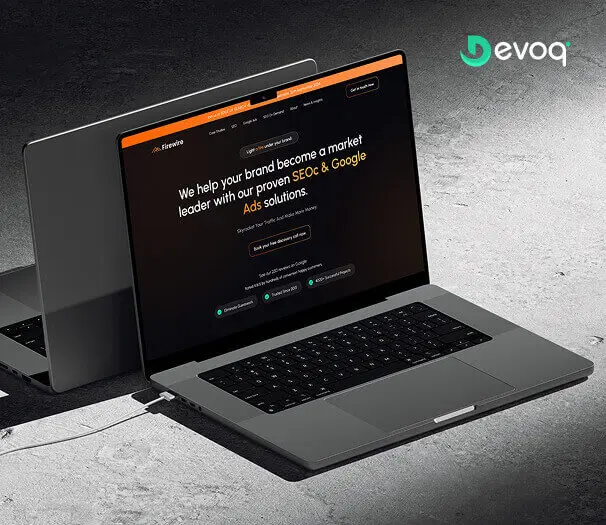
We crafted a sleek and intuitive website for Firewire, a digital marketing company specializing in SEO and Google Ads, to showcase their expertise and results. Our design highlights their data-driven approach to connecting businesses with their audience.
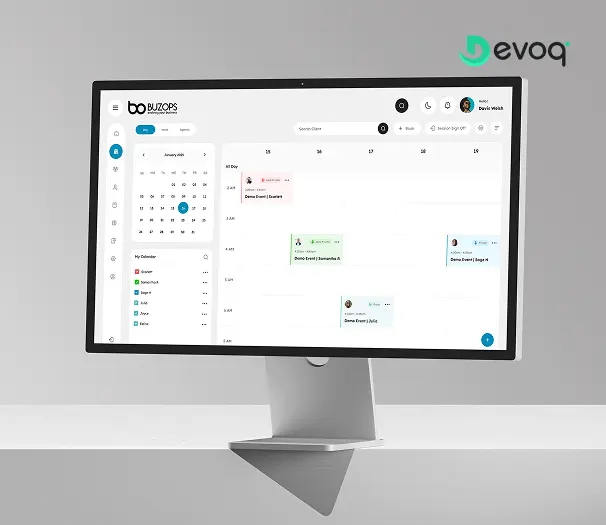
We created a clean and scalable SaaS experience for Buzops, helping businesses manage operations, automate workflows, and improve customer engagement through a unified platform.
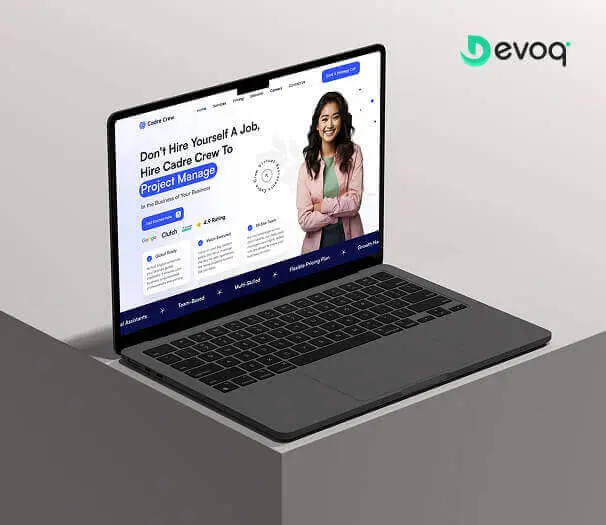
We designed and developed a user-friendly website for Cadre Crew, a company that helps growing businesses scale operations with virtual assistant and project management services. Our goal was to create an intuitive and efficient experience for their users.
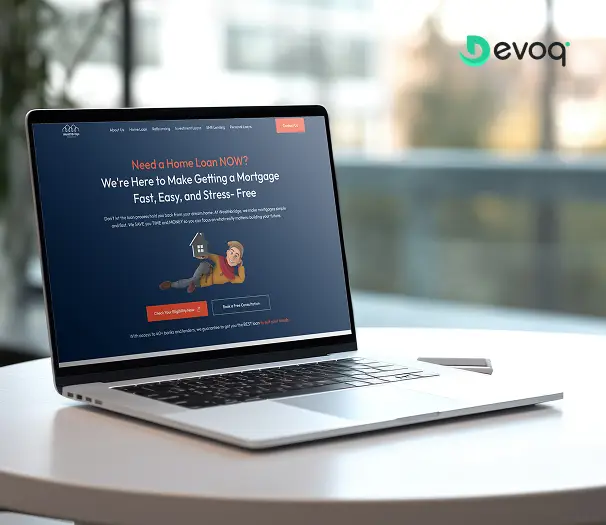
We built a modern online platform for Wealth Bridge, a mortgage and loan comparison service. The goal was a credible, easy-to-use experience that makes complex loan information simple. With a focus on clarity, performance and smooth interaction, the site helps borrowers compare home-loan products and choose the right one with confidence.
We created a compassionate and accessible digital experience for AngelCare, simplifying care discovery, improving NDIS understanding, and empowering users to access personalized support services with ease.
Messaging, sitemap, wireframes, visual design, agenda and speaker templates, ticket selection and checkout design, sponsor pages, accessibility checks and handoff to your developers or CMS. You also get content guidance per template, so the person publishing the next edition knows what the homepage, a session page and a ticket tier each need, and a record of the payment and consent decisions behind checkout and registration for your compliance review.
Which platforms do you design for?
We design platform-independent and hand off for WordPress, Webflow, Framer, Next.js or the ticketing platform you already use. Page blocks are reusable so your team can publish a new edition without design help. If the ticket checkout is hosted by your ticketing provider, we design the handover so the tier, quantity and promo code carry across and the visual break is as small as the vendor allows. A Webflow developer from our team can build the site if you have no developers.
Can you redesign our existing event website?
Yes. We audit the current site, analytics and ticket funnel, keep what performs, and redesign the pages that lose visitors, which is usually the homepage message, the ticket selector and the payment step. Work is scheduled between editions or outside the on-sale window so a live sale is never disrupted, and the new checkout is tested with real buyers before tickets go on sale. Each change is measured against the drop-off of the page it replaced.
How much does an event website cost to design?
It depends on the number of page templates, whether messaging and research are included, and whether we also design checkout and sponsor pages. A single conference site with a hosted ticket checkout is a smaller scope than a ticketing marketplace or an association running many events on one system. After a short discovery call we quote a fixed price for a defined scope, or a monthly retainer for organizers who run several editions a year and keep adding pages and features.
How long does an event website project take?
The drivers are the number of templates, whether checkout and sponsor pages are in scope, which CMS or ticketing platform the site hands off to, and whether attendee research and usability testing are included. Event sites also have a hard date: the on-sale. We set the schedule in the discovery call and work backwards from the announcement and on-sale dates, so the homepage launches first and the full agenda follows as speakers are confirmed.
How do you handle payments on ticketing pages?
We keep card entry in a hosted or tokenized payment field so the page does not collect raw card data, design to PCI DSS 4.0.1 expectations, and show fees, taxes and refund terms before the customer pays. Group purchases let one buyer pay and add attendee names later, promo codes are applied before the total is shown, and the confirmation page gives a calendar file and the ticket in one place. We document each decision for your compliance review.
Can the site use AI for recommendations or attendee matching?
Yes, with care. Event Tech Live 2026 found 61% of B2B events offer at least one AI feature, but Bizzabo 2026 reports only 15% of organizers rate networking as very effective, down from 46%. We design opt-in matching with a visible reason for each suggestion. On a website the useful AI feature is usually a session finder that narrows the agenda by role and interest, with the reasoning shown and a plain list always one tap away for people who prefer to browse.
Will the website be accessible?
We design to WCAG 2.2 AA: contrast, keyboard navigation, focus states, captions and clearly labeled forms. Venue access details and accommodation requests are part of the registration flow too, so an attendee can ask for step-free access, captioning or a quiet room at the point of buying rather than by email afterwards. Seat maps get a list alternative, and the European Accessibility Act is considered for events selling into the EU. Files and templates are yours from the first week.
Contact Us
Need an event website that sells tickets? Let’s talk