

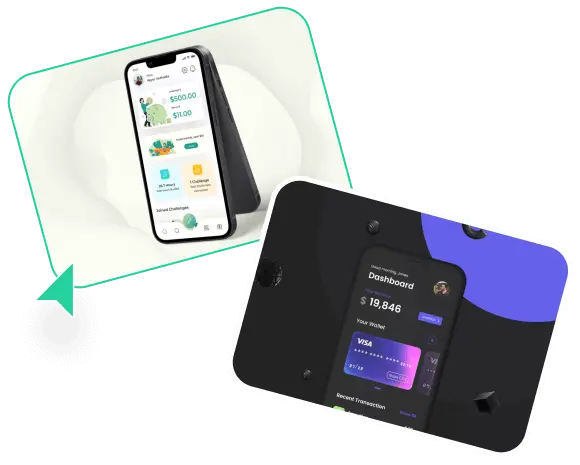









Understanding Micro-Interactions in Mobile UX
In the realm of mobile user experience (UX), micro-interactions play a pivotal role in enhancing user satisfaction and engagement. These subtle design elements are the small, interactive moments that occur when a user engages with a mobile application. From the simple act of liking a post to the more complex process of setting an alarm, micro-interactions guide users through their journey, making the experience more intuitive and enjoyable.
The Importance of Micro-Interactions
Micro-interactions serve several critical functions in mobile UX. They provide feedback, inform users of actions, and help prevent errors. By offering visual cues and responses to user actions, these interactions enhance the overall usability of an app. For instance, a button that changes color when clicked assures users that their action has been registered, reducing uncertainty and frustration.
Enhancing User Engagement
Micro-interactions are instrumental in keeping users engaged. They add a layer of interactivity that makes the application feel responsive and alive. For example, a subtle animation when a user pulls down to refresh a page can make the experience more engaging and encourage continued interaction. This level of engagement is crucial for retaining users in a competitive mobile app market.
Designing Effective Micro-Interactions
Designing effective micro-interactions requires a deep understanding of user behavior and preferences. A Mobile UI UX Designer must consider the context in which these interactions occur and ensure they align with the overall design language of the app. Consistency in design helps users predict outcomes, thereby improving the overall user experience.
Case Studies: Successful Micro-Interactions
Several mobile applications have successfully leveraged micro-interactions to enhance user experience. For instance, the pull-to-refresh feature in email apps provides immediate feedback and encourages users to interact with the app. Similarly, the animation of a heart filling up when a photo is liked on social media platforms creates a satisfying user experience that encourages further engagement.
Challenges in Implementing Micro-Interactions
Despite their benefits, implementing micro-interactions can be challenging. Overuse or poorly designed interactions can lead to a cluttered and confusing user interface. It’s essential for designers to strike a balance between functionality and aesthetics, ensuring that interactions enhance rather than detract from the user experience.
The Future of Micro-Interactions in Mobile UX
As mobile technology continues to evolve, so too will the role of micro-interactions. With advancements in artificial intelligence and machine learning, future micro-interactions could become even more personalized and context-aware, further enhancing the user experience. Designers will need to stay abreast of these developments to create cutting-edge mobile applications that meet and exceed user expectations.
FAQs
What are micro-interactions?
Micro-interactions are small, interactive elements within an app that provide feedback, inform users, and enhance engagement. They are integral to creating a seamless and enjoyable user experience.
Why are micro-interactions important in mobile UX?
They improve usability by providing immediate feedback and guiding users through tasks, making the app more intuitive and engaging.
How can a Mobile UI UX Designer effectively use micro-interactions?
A designer can effectively use micro-interactions by ensuring they are consistent with the app’s overall design language, enhancing usability without overwhelming the user interface.
What challenges do designers face with micro-interactions?
Designers must avoid overuse and ensure interactions do not clutter or confuse the user interface. Balancing functionality with aesthetics is key.
What is the future of micro-interactions in mobile apps?
Future micro-interactions will likely leverage AI and machine learning to become more personalized and context-aware, further enhancing user experience.